-
Deep vein thrombosis (DVT) occurs when a clot forms in the deep veins, usually of the leg. You may notice swelling or pain in the calves, or there may be no symptoms at all. Although these may seem mild, DVT is a serious medical condition for which experts recommend immediate care. The more you understand about conditions like DVT, the better able you are to protect yourself from them or to manage them properly if they appear. Thrombus: Thrombus (as in “thrombosis”) is the medical term...
-
Deep vein thrombosis is a condition that occurs when a blood clot forms within one of the veins deep within your body, usually in the legs. The biggest danger of deep vein thrombosis is that the blood clot could break off and travel to your lungs, leading to pulmonary embolism, which is a life-threatening condition. DVT usually causes no symptoms, making it difficult to diagnose. However, it is a fairly common condition—the CDC estimates that as many as 900,000 people are affected by deep vein...
-
Deep vein thrombosis is a condition that occurs when a blood clot forms in one or more of the deep veins in your body, usually in the legs. This condition sometimes develops when you don’t move for a long period of time, such as after surgery or an accident when you are confined to bed for an extended amount of time. It can also occur if you have certain medical conditions that affect how your blood clots. This condition can be very dangerous, since the blot...
-
How is Colon Cancer Treated? Treatment for colon cancer depends upon the stage of the cancer when discovered. Initial screenings such as colonoscopies and sigmoidoscopies can detect pre-cancerous tumors in the colon. These tumors can be removed and tested for cancer. These preventative screenings are extremely important in preventing and delaying the diagnosis of colon cancer. At stage 0, colorectal cancer is found only in the innermost lining of the colon. Treatment usually involves a polypectomy, a removal of the tumor and a small...
-
Colon cancer is the development of cancer in the colon, or large intestine. It generally begins as small, noncancerous lumps, known as adenomatous polyps, that are asymptomatic and can take some time to turn into full-blown cancerous cells. This is largely the reason yearly colon cancer screenings are recommended—the sooner this type of cancer is detected, the more fully it can be treated. Whether through annual screenings or because of suspicious symptoms, more than one manner of diagnosis is available. Here is a look at how colon...
-
Important Facts To Know About Colon Cancer The colon is considered as one of the most important parts of our digestive system. When the malignant tissue in Colon grows then the Colon Cancer is occurred. The digestive system is harmed by it very seriously. It is the most harmful cancer. Colon Cancer is mainly caused by incorrect eating habits. High fiber diets like vegetables and fruits are responsible for reducing the risk of Colon Cancer. If anyone in the family has had this disease...
-
What Causes Colon Cancer? Colon cancer is the name given to cancer in the large intestine, usually resulting from the cells of the colon mutating and multiplying to form cancerous polyps on the intestine. Colon cancer is one of the most common cancers identified in both men and women in the United States. It is the third most diagnosed cancer in the world, though the majority of diagnoses occur in developing countries. Despite being treatable, this type of cancer poses a high risk for...
-
Colon cancer, or colorectal cancer, involves the growth of one or more tumors in the large intestine and rectum. As colorectal cancer is both preventable and treatable, it is important to recognize the symptoms: A change of bowel habits Blood in the stool Diarrhea, constipation, or a feeling that the bowel has not completely voided Unusually narrow stools Recurrent gas pain, bloating, or intestinal cramping Weight loss that cannot be accounted for Unusual fatigue Stages There are 5 stages of colon cancer, which the...
-
Colon Cancer is the third most common cancer in men after lung and prostate cancer according to the reports from the National Cancer Institute. The reports also find it to be the fourth most common cancer in women after lung, breast and cervical cancer. The symptoms are normally very minimal in the earlier stages of the disease but as it progresses, the symptoms become more obvious and evident. Since the symptoms do not present themselves until the cancer is severe, it’s imperative that one...



 Deep vein thrombosis (DVT) occurs when a clot forms in the deep veins, usually of the leg. You may notice swelling or pain in the calves, or there may be no symptoms at all. Although these may seem mild, DVT is a serious medical condition for which experts recommend immediate care. The more you understand about conditions like DVT, the better able you are to protect yourself from them or to manage them properly if they appear. Thrombus: Thrombus (as in “thrombosis”) is the medical term...
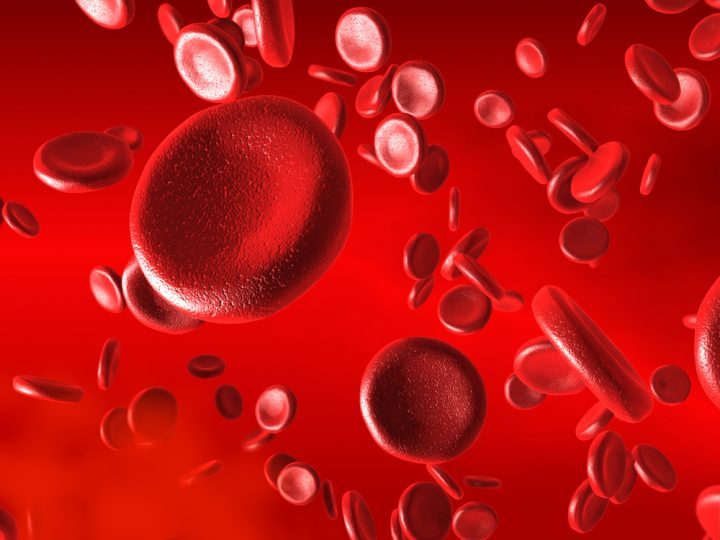 Deep vein thrombosis is a condition that occurs when a blood clot forms within one of the veins deep within your body, usually in the legs. The biggest danger of deep vein thrombosis is that the blood clot could break off and travel to your lungs, leading to pulmonary embolism, which is a life-threatening condition. DVT usually causes no symptoms, making it difficult to diagnose. However, it is a fairly common condition—the CDC estimates that as many as 900,000 people are affected by deep vein...
 Deep vein thrombosis is a condition that occurs when a blood clot forms in one or more of the deep veins in your body, usually in the legs. This condition sometimes develops when you don’t move for a long period of time, such as after surgery or an accident when you are confined to bed for an extended amount of time. It can also occur if you have certain medical conditions that affect how your blood clots. This condition can be very dangerous, since the blot...
 How is Colon Cancer Treated? Treatment for colon cancer depends upon the stage of the cancer when discovered. Initial screenings such as colonoscopies and sigmoidoscopies can detect pre-cancerous tumors in the colon. These tumors can be removed and tested for cancer. These preventative screenings are extremely important in preventing and delaying the diagnosis of colon cancer. At stage 0, colorectal cancer is found only in the innermost lining of the colon. Treatment usually involves a polypectomy, a removal of the tumor and a small...
 Colon cancer is the development of cancer in the colon, or large intestine. It generally begins as small, noncancerous lumps, known as adenomatous polyps, that are asymptomatic and can take some time to turn into full-blown cancerous cells. This is largely the reason yearly colon cancer screenings are recommended—the sooner this type of cancer is detected, the more fully it can be treated. Whether through annual screenings or because of suspicious symptoms, more than one manner of diagnosis is available. Here is a look at how colon...
 Important Facts To Know About Colon Cancer The colon is considered as one of the most important parts of our digestive system. When the malignant tissue in Colon grows then the Colon Cancer is occurred. The digestive system is harmed by it very seriously. It is the most harmful cancer. Colon Cancer is mainly caused by incorrect eating habits. High fiber diets like vegetables and fruits are responsible for reducing the risk of Colon Cancer. If anyone in the family has had this disease...
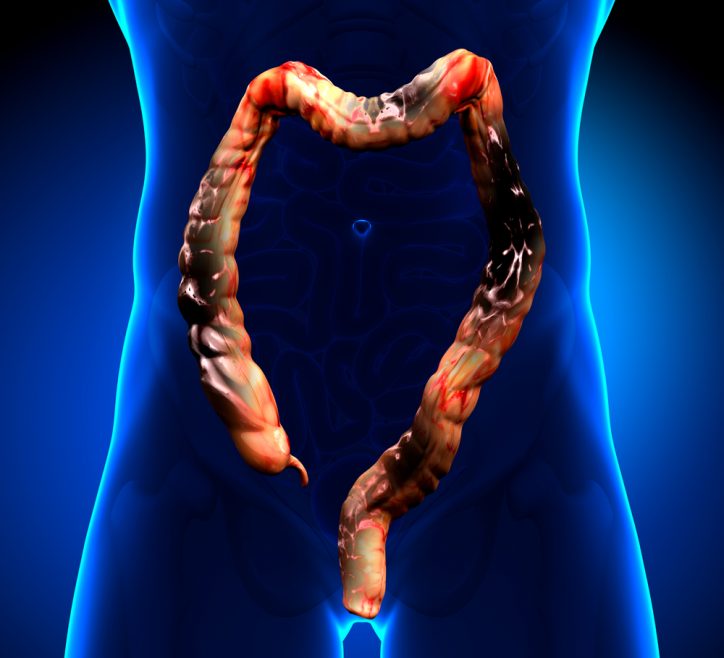 What Causes Colon Cancer? Colon cancer is the name given to cancer in the large intestine, usually resulting from the cells of the colon mutating and multiplying to form cancerous polyps on the intestine. Colon cancer is one of the most common cancers identified in both men and women in the United States. It is the third most diagnosed cancer in the world, though the majority of diagnoses occur in developing countries. Despite being treatable, this type of cancer poses a high risk for...
 Colon cancer, or colorectal cancer, involves the growth of one or more tumors in the large intestine and rectum. As colorectal cancer is both preventable and treatable, it is important to recognize the symptoms: A change of bowel habits Blood in the stool Diarrhea, constipation, or a feeling that the bowel has not completely voided Unusually narrow stools Recurrent gas pain, bloating, or intestinal cramping Weight loss that cannot be accounted for Unusual fatigue Stages There are 5 stages of colon cancer, which the...
 Colon Cancer is the third most common cancer in men after lung and prostate cancer according to the reports from the National Cancer Institute. The reports also find it to be the fourth most common cancer in women after lung, breast and cervical cancer. The symptoms are normally very minimal in the earlier stages of the disease but as it progresses, the symptoms become more obvious and evident. Since the symptoms do not present themselves until the cancer is severe, it’s imperative that one...