-
According to the CDC, there are two types of meningococcal vaccines available in the United States. The first is the meningococcal polysaccharide vaccine, or Menomune. The second is the meningococcal conjugate vaccine, which is otherwise referred to as Menactra, Menveo, and MenHibrix. Both vaccines work to prevent four types of meningococcal disease, including two of the three types that are most common in the United States. There are other, less common types of meningitis that the vaccines are unable to protect against. How does...
-
What health professional treats type 2 diabetes? Many times individuals have type 2 diabetes and don’t know it. Signs of diabetes include increased thirst, frequent urination, hunger, infections, headaches, fatigue, and cuts and bruises are slower to heal. If you notice any of these changes, discuss your symptoms with your primary care physician and consider visiting an endocrinologist, a doctor who specializes in diabetes. The endocrinologist will perform a series of tests to accurately diagnose the severity of your condition. How is type 2...
-
Many people assume that since both diabetes mellitus and diabetes insipidus begin with the word diabetes, they must be related. They also share two common warning signs: increased thirst and excessive urination. But the truth is that these conditions are not related at all. The latin word for diabetes means “to siphon.” You could say that both conditions are due to some sort of siphoning or filtering problem—one is related to sugar and the other is related to fluid. That is where the similarities...
-
Alzheimer’s disease is a cognitive condition in which the brain’s nerve cells begin to die. This disease is most commonly associated with memory loss, but it also leads to problems with judgment and basic, day-to-day functions. Alzheimer’s does not develop quickly—instead patients begin to deteriorate slowly over a number of years. In order to accurately track the development of the disease and provide the best treatment, medical professionals have divided the progress of Alzheimer’s into seven distinct stages. Here is a look at the...
-
Over 23 million people in the United States have diabetes, which is also known as diabetes mellitus. This leaves many people seeking diabetes information to help them manage this disease. Many have been officially diagnosed, but many others live with diabetes and do not even know it. They may have many diabetes symptoms, but do not realize what is causing these symptoms. There are two types of diabetes- type 1 and type 2. Of the 23 million Americans that have diabetes, over 90% have...
-
When a person is diagnosed with Pancreatic Cancer, which is considered the deadliest form of cancer in existence, staging will occur immediately after diagnosis. There are 5 stages of this cancer, starting with Stage 0. Stage 0 cancer occurs when some abnormal cells occur on the lining of the pancreas. This is also called carcinoma in situ, which simply means that there are abnormal cells that are centered in one place. Since it doesn’t appear on most imaging tests, very few Pancreatic cancers are...
-
What is Type 1 Diabetes? Type 1 diabetes is usually diagnosed in children and young adults, and was previously known as juvenile diabetes. Only 5% of people with diabetes have this form of the disease. In type 1 diabetes, the body does not produce insulin. Insulin is a hormone that is needed to convert sugar, starches and other food into energy needed for daily life. With the help of insulin therapy and other treatments, even young children can learn to manage their condition and...
-
Allergies are caused by a hypersensitive immune system that flags an otherwise harmless substance in the environment as if it were a disease-causing organism. When your immune system overreacts in this way, it sets off a chain of events with a goal of saving your life from a harmful disease. But allergens—the perceived threats—are not diseases, and your body’s defensive response to fight against them can be harmful, if not fatal. An estimated 60 million Americans suffer from allergies, according to the American Academy...
-
Miscarriage occurs when a pregnancy is suddenly lost before the 20th week. Between 10% and 20% of confirmed pregnancies end in miscarriage, so it is important to be able to recognize the signs and symptoms if it happens to you. Warning Signs of Miscarriage If you start to experience any of the following symptoms, you should contact your doctor as soon as possible to see if you are having a miscarriage. Weight loss White-pink mucus Mild to severe back pain Cramping in the abdomen...

 According to the CDC, there are two types of meningococcal vaccines available in the United States. The first is the meningococcal polysaccharide vaccine, or Menomune. The second is the meningococcal conjugate vaccine, which is otherwise referred to as Menactra, Menveo, and MenHibrix. Both vaccines work to prevent four types of meningococcal disease, including two of the three types that are most common in the United States. There are other, less common types of meningitis that the vaccines are unable to protect against. How does...
 What health professional treats type 2 diabetes? Many times individuals have type 2 diabetes and don’t know it. Signs of diabetes include increased thirst, frequent urination, hunger, infections, headaches, fatigue, and cuts and bruises are slower to heal. If you notice any of these changes, discuss your symptoms with your primary care physician and consider visiting an endocrinologist, a doctor who specializes in diabetes. The endocrinologist will perform a series of tests to accurately diagnose the severity of your condition. How is type 2...
 Many people assume that since both diabetes mellitus and diabetes insipidus begin with the word diabetes, they must be related. They also share two common warning signs: increased thirst and excessive urination. But the truth is that these conditions are not related at all. The latin word for diabetes means “to siphon.” You could say that both conditions are due to some sort of siphoning or filtering problem—one is related to sugar and the other is related to fluid. That is where the similarities...
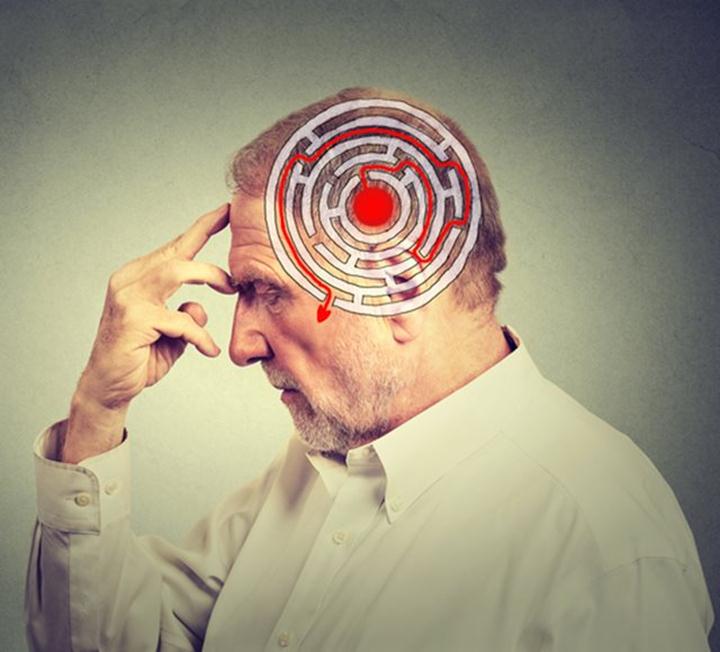 Alzheimer’s disease is a cognitive condition in which the brain’s nerve cells begin to die. This disease is most commonly associated with memory loss, but it also leads to problems with judgment and basic, day-to-day functions. Alzheimer’s does not develop quickly—instead patients begin to deteriorate slowly over a number of years. In order to accurately track the development of the disease and provide the best treatment, medical professionals have divided the progress of Alzheimer’s into seven distinct stages. Here is a look at the...
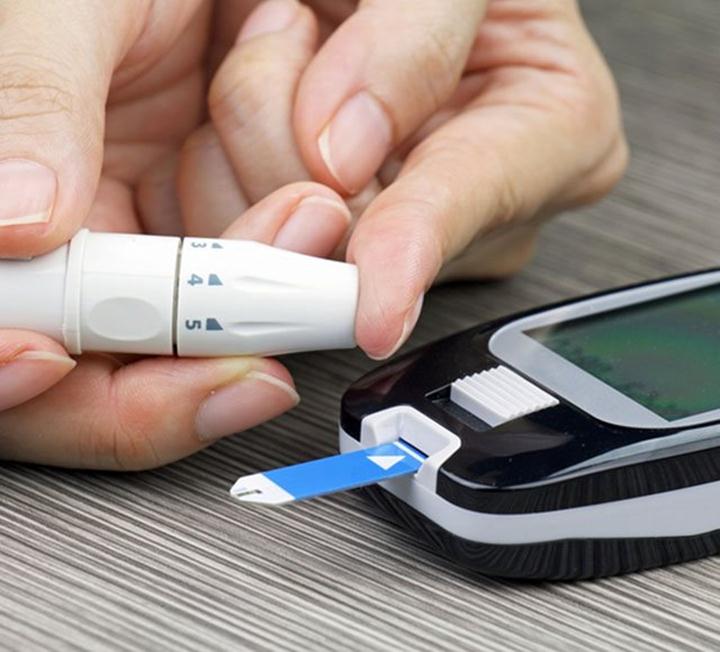 Over 23 million people in the United States have diabetes, which is also known as diabetes mellitus. This leaves many people seeking diabetes information to help them manage this disease. Many have been officially diagnosed, but many others live with diabetes and do not even know it. They may have many diabetes symptoms, but do not realize what is causing these symptoms. There are two types of diabetes- type 1 and type 2. Of the 23 million Americans that have diabetes, over 90% have...
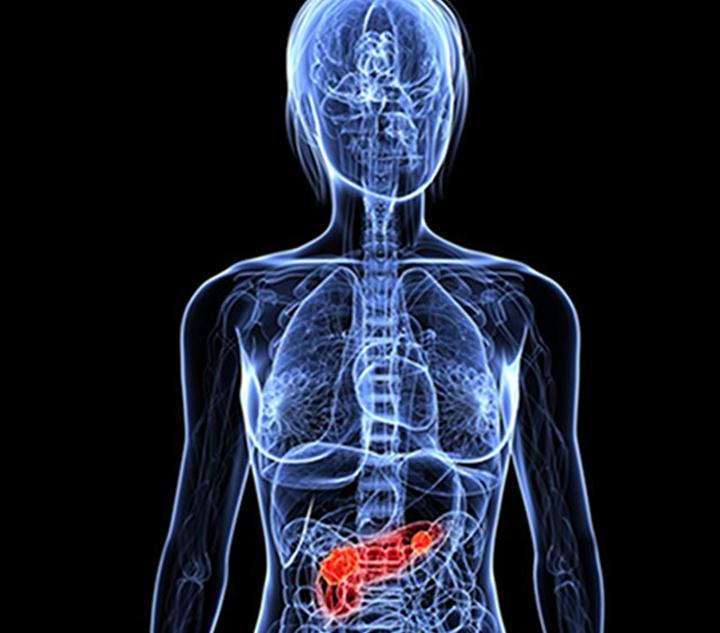 When a person is diagnosed with Pancreatic Cancer, which is considered the deadliest form of cancer in existence, staging will occur immediately after diagnosis. There are 5 stages of this cancer, starting with Stage 0. Stage 0 cancer occurs when some abnormal cells occur on the lining of the pancreas. This is also called carcinoma in situ, which simply means that there are abnormal cells that are centered in one place. Since it doesn’t appear on most imaging tests, very few Pancreatic cancers are...
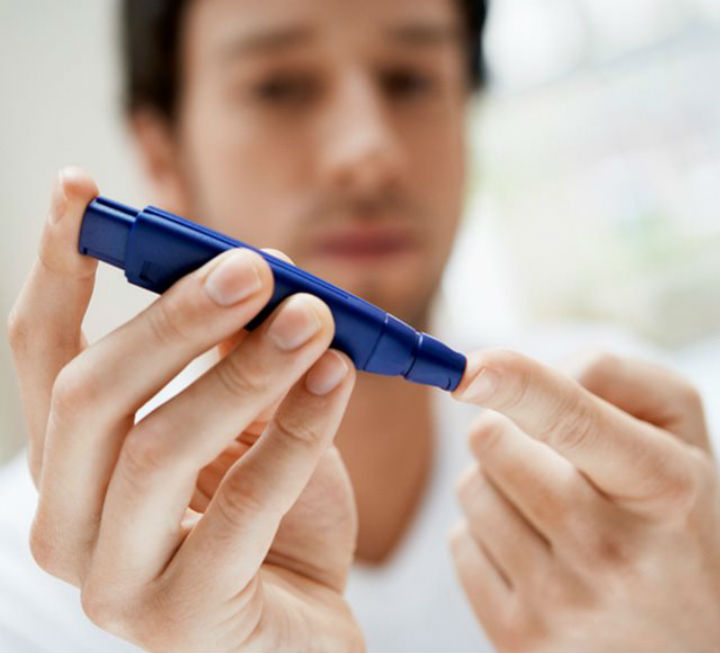 What is Type 1 Diabetes? Type 1 diabetes is usually diagnosed in children and young adults, and was previously known as juvenile diabetes. Only 5% of people with diabetes have this form of the disease. In type 1 diabetes, the body does not produce insulin. Insulin is a hormone that is needed to convert sugar, starches and other food into energy needed for daily life. With the help of insulin therapy and other treatments, even young children can learn to manage their condition and...
 Allergies are caused by a hypersensitive immune system that flags an otherwise harmless substance in the environment as if it were a disease-causing organism. When your immune system overreacts in this way, it sets off a chain of events with a goal of saving your life from a harmful disease. But allergens—the perceived threats—are not diseases, and your body’s defensive response to fight against them can be harmful, if not fatal. An estimated 60 million Americans suffer from allergies, according to the American Academy...
 Miscarriage occurs when a pregnancy is suddenly lost before the 20th week. Between 10% and 20% of confirmed pregnancies end in miscarriage, so it is important to be able to recognize the signs and symptoms if it happens to you. Warning Signs of Miscarriage If you start to experience any of the following symptoms, you should contact your doctor as soon as possible to see if you are having a miscarriage. Weight loss White-pink mucus Mild to severe back pain Cramping in the abdomen...