-
Rheumatoid Arthritis is an autoimmune disease that causes swelling, redness, pain and discomfort that gets worse if left untreated. The inflammation that the disease causes can affect internal organs as well. Eyes, lungs, and heart are some of which can be affected by it. Despite the condition being a chronic illness, it is possible that people with rheumatoid arthritis can go long periods of time without showing any symptoms.The dangerous thing about rheumatoid arthritis is that it is a progressive disease which means that...
-
Rheumatoid Arthritis is a chronic disorder resulting from an inflammation of the membranes or tissues that line the joints, typically in the hands and feet, that generally develops in an individual between the ages of forty and sixty. Over time, rheumatoid arthritis can destroy the cartilage, ligaments, tendons, and bone surrounding the joint. In more severe cases, it may cause organ damage. Rheumatoid arthritis causes painful swelling, bone erosion, and potential joint deformity. It is an autoimmune disorder, meaning the body’s immune system begins...
-
While the signs of rheumatoid arthritis can seem hidden and unnoticeable, they may be more visible than you might think. Although there are indeed rheumatoid arthritis signs that some people might not be able to pick up on, there are still plenty of other symptoms that you’ll be able to notice and clearly identify. What are those signs & symptoms? Take a look below to find out the 12 typical Rheumatoid Arthritis signs and symptoms. 1. Joint Pain Joint pain is the most obvious of all...
-
You’ll often hear older adults complaining about aching and soreness in their joints, even when doing tasks that don’t seem that strenuous. Medical experts estimate that nearly 50% of seniors get a diagnosis with a form of arthritis, making it a condition directly associated with aging. While it can occur to anyone regardless of their age, the majority of cases arise in those over 65. Of course, the correlation between aging and arthritis makes complete sense as with time you are subject to more...
-
The most dangerous part of melanoma is its ability, in later stages, to spread (or metastasize) to different parts of the body. Metastatic melanoma, also known as Stage IV melanoma, is the stage where melanoma cells of any kind (mucosal, cutaneous, or visual) have spread through the lymph nodes to other organs in the body. These metastases frequently influence the lungs, liver, brain and bones. Similarly, as with different cancers, metastases happen when melanoma is not in the early stages. Often, symptoms only manifest...
-
The majority of cases of skin cancer essentially happen on parts of the body that are not exposed to direct sunlight. Besides, many deaths due to skin cancer are actually not more than ten thousand in the complete population of the U.S. To be more exact, there is a 10 times bigger chance for an American to die in traffic than for them to die of skin cancer. Anticipating Skin Cancer In any case, this has not discouraged Americans from burning through billions of...
-
Melanoma is a type of skin cancer considered by medical professions to be the worst type. It develops deep in the cells that form skin pigment and is typically caused by overexposure to harmful UV rays such as those found in tanning beds or produced naturally by the sun. Skin biopsies are common tests done to determine if it is skin cancer. Here we examine the signs of melanoma from the early symptoms to stage 4 melanoma. Treatment of melanoma begins immediately upon detection, but...
-
Metastatic melanoma is a form of skin cancer. There are various types of skin cancer, but melanoma is the most severe. Melanoma can spread very fast to other parts of the body. Therefore, it is recommended to visit an oncologist detect and treat melanoma during its early stages. Most cancer illnesses, including melanoma, are categorized into different groups referred to as stages, depending on the system created by oncologists. There are five major stages from 0-4.each represented by a Roman numerical. Melanoma usually spreads...
-
Deep vein thrombosis, commonly abbreviated “DVT,” is a condition that occurs when a blood clot forms in one or more of the deep veins in your body, usually in your legs. DVT is a serious condition because if a blood clot in your vein breaks loose, it can travel through your bloodstream and block the blood flow to your lungs. Symptoms While DVT can sometimes occur without any noticeable symptoms, there are some signs that you can watch out for if you are at risk....
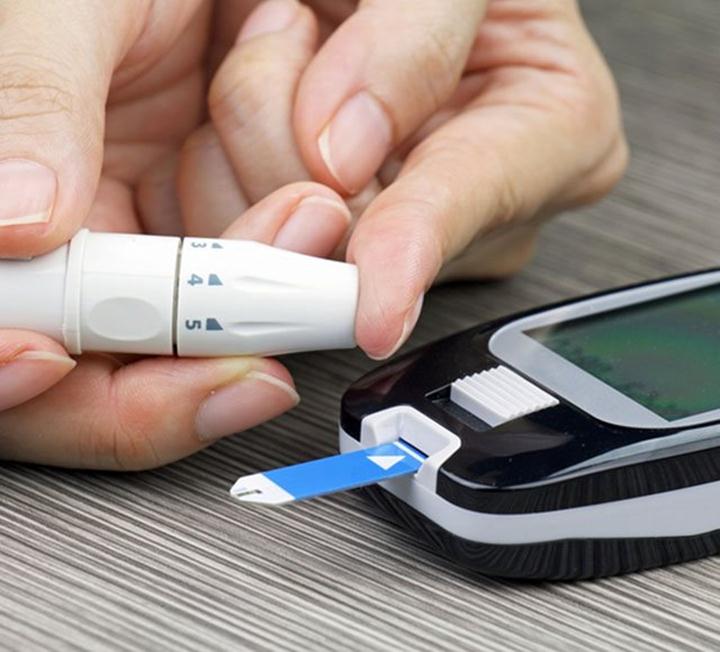
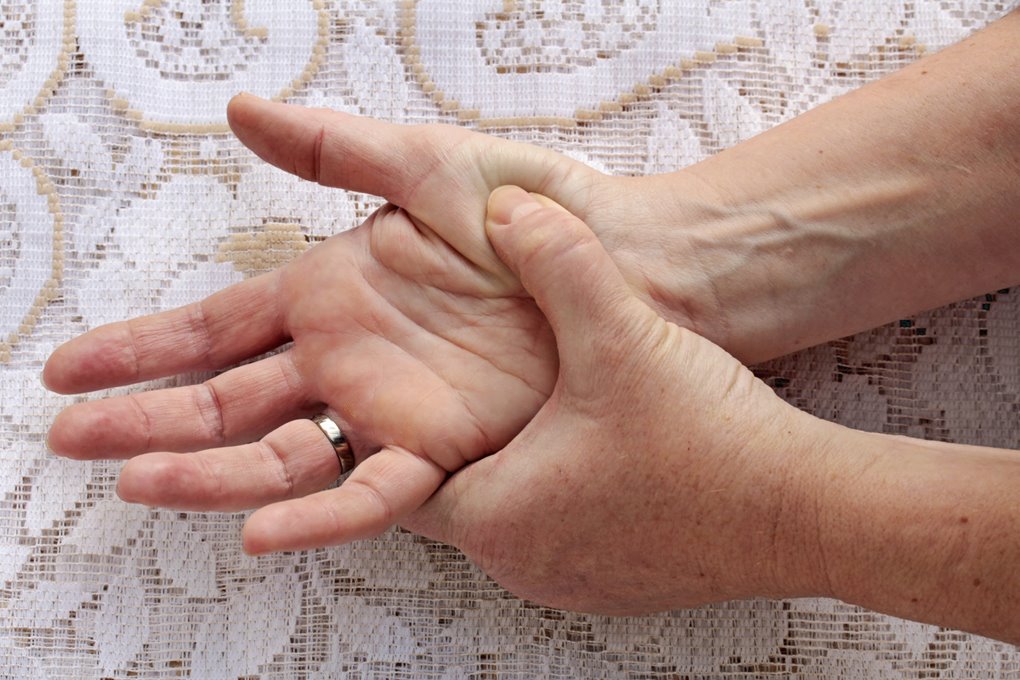 Rheumatoid Arthritis is an autoimmune disease that causes swelling, redness, pain and discomfort that gets worse if left untreated. The inflammation that the disease causes can affect internal organs as well. Eyes, lungs, and heart are some of which can be affected by it. Despite the condition being a chronic illness, it is possible that people with rheumatoid arthritis can go long periods of time without showing any symptoms.The dangerous thing about rheumatoid arthritis is that it is a progressive disease which means that...
 Rheumatoid Arthritis is a chronic disorder resulting from an inflammation of the membranes or tissues that line the joints, typically in the hands and feet, that generally develops in an individual between the ages of forty and sixty. Over time, rheumatoid arthritis can destroy the cartilage, ligaments, tendons, and bone surrounding the joint. In more severe cases, it may cause organ damage. Rheumatoid arthritis causes painful swelling, bone erosion, and potential joint deformity. It is an autoimmune disorder, meaning the body’s immune system begins...
 While the signs of rheumatoid arthritis can seem hidden and unnoticeable, they may be more visible than you might think. Although there are indeed rheumatoid arthritis signs that some people might not be able to pick up on, there are still plenty of other symptoms that you’ll be able to notice and clearly identify. What are those signs & symptoms? Take a look below to find out the 12 typical Rheumatoid Arthritis signs and symptoms. 1. Joint Pain Joint pain is the most obvious of all...
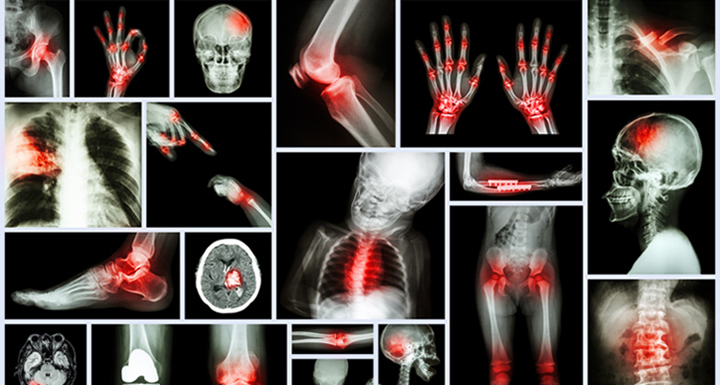 You’ll often hear older adults complaining about aching and soreness in their joints, even when doing tasks that don’t seem that strenuous. Medical experts estimate that nearly 50% of seniors get a diagnosis with a form of arthritis, making it a condition directly associated with aging. While it can occur to anyone regardless of their age, the majority of cases arise in those over 65. Of course, the correlation between aging and arthritis makes complete sense as with time you are subject to more...
 The most dangerous part of melanoma is its ability, in later stages, to spread (or metastasize) to different parts of the body. Metastatic melanoma, also known as Stage IV melanoma, is the stage where melanoma cells of any kind (mucosal, cutaneous, or visual) have spread through the lymph nodes to other organs in the body. These metastases frequently influence the lungs, liver, brain and bones. Similarly, as with different cancers, metastases happen when melanoma is not in the early stages. Often, symptoms only manifest...
 The majority of cases of skin cancer essentially happen on parts of the body that are not exposed to direct sunlight. Besides, many deaths due to skin cancer are actually not more than ten thousand in the complete population of the U.S. To be more exact, there is a 10 times bigger chance for an American to die in traffic than for them to die of skin cancer. Anticipating Skin Cancer In any case, this has not discouraged Americans from burning through billions of...
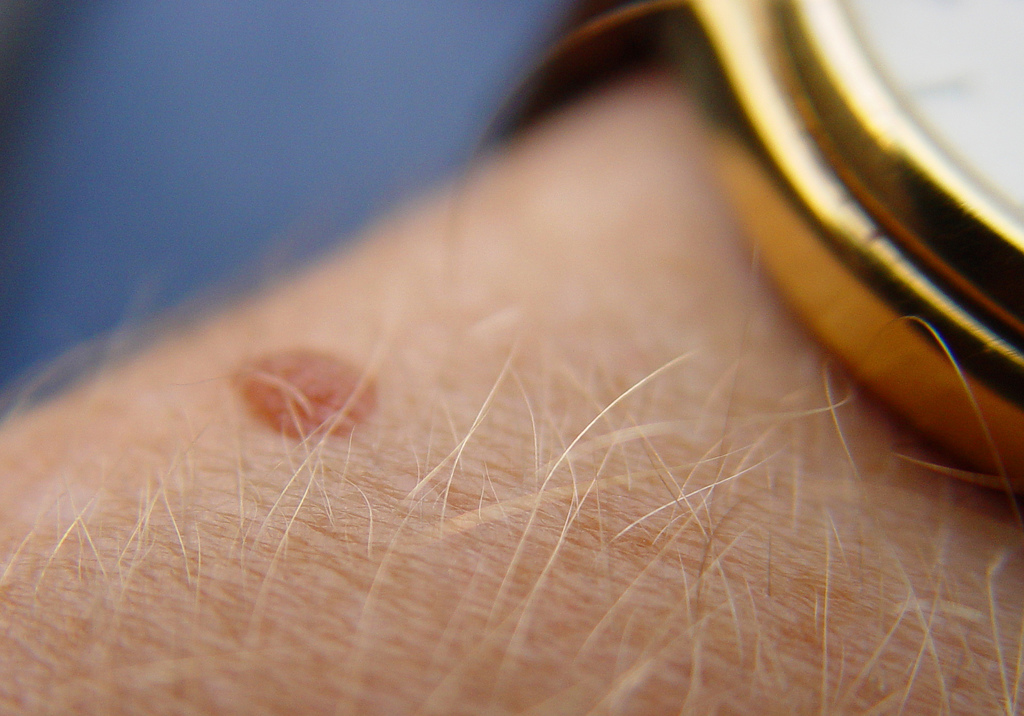 Melanoma is a type of skin cancer considered by medical professions to be the worst type. It develops deep in the cells that form skin pigment and is typically caused by overexposure to harmful UV rays such as those found in tanning beds or produced naturally by the sun. Skin biopsies are common tests done to determine if it is skin cancer. Here we examine the signs of melanoma from the early symptoms to stage 4 melanoma. Treatment of melanoma begins immediately upon detection, but...
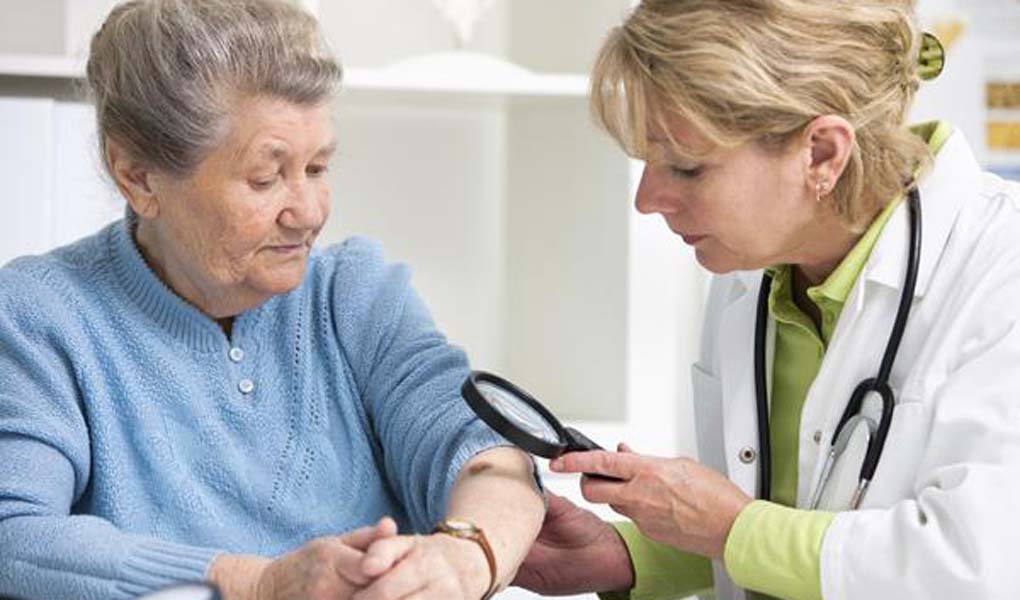 Metastatic melanoma is a form of skin cancer. There are various types of skin cancer, but melanoma is the most severe. Melanoma can spread very fast to other parts of the body. Therefore, it is recommended to visit an oncologist detect and treat melanoma during its early stages. Most cancer illnesses, including melanoma, are categorized into different groups referred to as stages, depending on the system created by oncologists. There are five major stages from 0-4.each represented by a Roman numerical. Melanoma usually spreads...
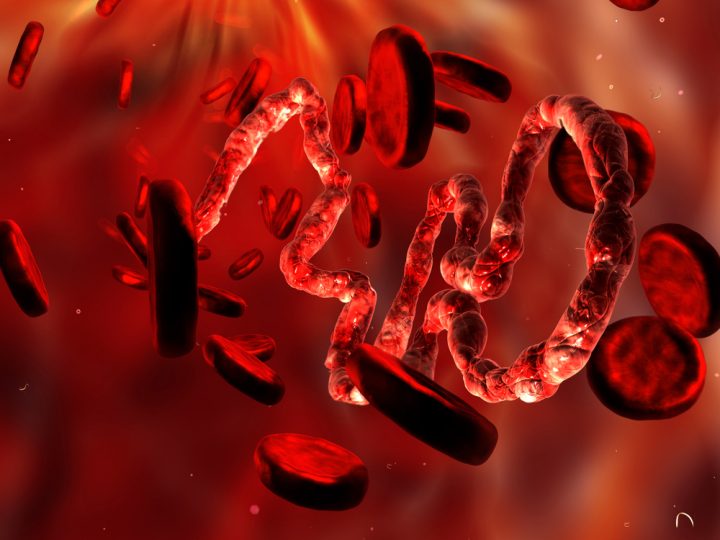 Deep vein thrombosis, commonly abbreviated “DVT,” is a condition that occurs when a blood clot forms in one or more of the deep veins in your body, usually in your legs. DVT is a serious condition because if a blood clot in your vein breaks loose, it can travel through your bloodstream and block the blood flow to your lungs. Symptoms While DVT can sometimes occur without any noticeable symptoms, there are some signs that you can watch out for if you are at risk....