-
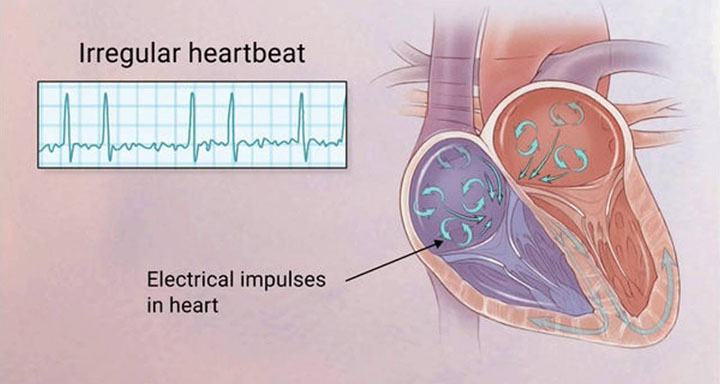
Atrial Fibrillation is a medical condition characterized by irregular, rapid heart rhythm. It primarily affects the atria, which are the two upper chambers of the heart. The arrhythmia, an irregular rhythm, is caused by abnormal electrical impulses in the heart due to a lack of coordination in atrial activity. As a result, AFib often leads to more severe medical conditions such as congestive heart failure and stroke. The standard heart rate for adults is between 60-100 beats per minute. A person with Atrial Fibrillation is...
-
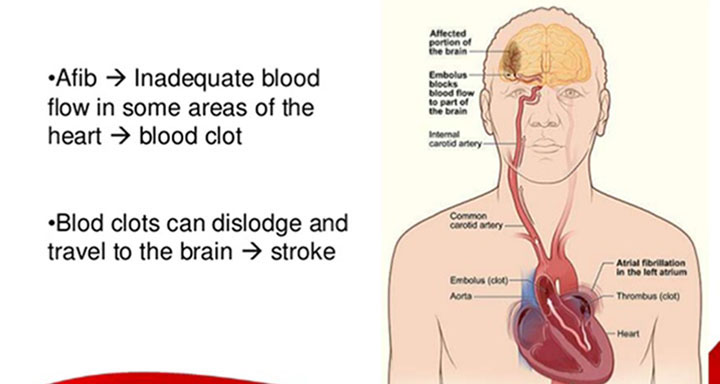
If you have atrial fibrillation, there is a good chance you will suffer a stroke. Atrial fibrillation is a type of abnormal heart rhythm in which the two upper chambers of the heart contract rapidly and irregularly without fully pumping blood into the lower chambers. Studies into AFIB and stroke revealed that hundreds of thousands of Americans are affected by AFIB and that the risk of stroke is 3 to 5 times more likely among them. AFIB and Stroke In a patient with AFIB,...
-
Who Is Affected by Afib? Atrial fibrillation, dubbed as Afib, is a heart condition characterized by an irregular or abnormal heartbeat. This condition affects close to 3 million people in the USA and over 1 million in the UK. Approximately 2% of people with atrial fibrillation are between the ages of 40 to 60 while 6% are 60 to 65 years old. A staggering 75% represents individuals in the age bracket of 65 to 85. The CDC reports that the median age for men...
-
Have you experienced unexplained shortness of breath, lightheadedness, palpitations, chest pain, or general weakness? If yes, chances are you have atrial fibrillation (or afib as doctors commonly call it). Afib can be tricky as you can suffer from it without even knowing it. Epidemiological studies indicate that more than 3 million Americans suffer from this condition. Atrial fibrillation occurs when the electrical systems of your heart fail to work properly. The condition alone might not cause serious problems, but it is a major risk factor...
-
If you have atrial fibrillation, also known as Afib, your doctor has likely warned you that you are at a higher risk of stroke and heart disease. You are also probably already aware that keeping this condition under control requires lifestyle adjustments such as dietary restrictions, various prescription blood thinners, and in some cases medical procedures. What you may not know is that not all blood thinners are the same. Approximately one-third of patients with Afib are merely prescribed aspirin by doctors when other...
-
If you stay current with what’s unfolding in the medical field, you’re probably aware of one of the top health conditions running rampant today. Atrial fibrillation, or Afib, is a disorder once primarily associated with the elderly which is now seen affecting today’s younger generation. It is especially prevalent in athletes today. According to the world of medicine, Afib has several treatment options which include several forms of atrial fibrillation medication options. Are you suffering from atrial fibrillation and looking for more information about...
-
Atrial fibrillation (afib) is a heart-related illness that causes irregular and rapid beating of the heart. If a person regularly suffers from afib, he or she will have a higher risk of stroke, heart failure, and dementia. What’s scary about this condition is that when it occurs, it usually doesn’t have any symptoms. This means that you have no idea if the condition is serious or not. In the instance that you can observe symptoms, such symptoms include chest pains, shortness of breath, fainting,...
-
Atrial fibrillation, commonly known as Afib, is a condition where a patient experiences heart rhythm abnormalities characterized by rapid, irregular beating or arrhythmia. Atrial fibrillation is the most common form of arrhythmia, affecting 2% to 3% of the entire population of Europe and North America. This is millions of people we are talking about here, and hundreds of thousands of them lose their lives yearly due to Afib. Recognizing the causes and risk factors of Afib go a long way towards managing and treating the...
-
The treatment of afib is important since it helps to slow down the heart rate, normalize the rhythm of the heart, and prevent the possibility of a stroke. When choosing the right treatments, you should follow medical guidelines from experts to the letter. This will significantly reduce the risk of stroke. In most cases, Warfarin is one of the most appropriate treatment options. However, there are several factors to take into consideration before starting the treatment. These factors include the type of atrial fibrillation you have,...
 Atrial Fibrillation is a medical condition characterized by irregular, rapid heart rhythm. It primarily affects the atria, which are the two upper chambers of the heart. The arrhythmia, an irregular rhythm, is caused by abnormal electrical impulses in the heart due to a lack of coordination in atrial activity. As a result, AFib often leads to more severe medical conditions such as congestive heart failure and stroke. The standard heart rate for adults is between 60-100 beats per minute. A person with Atrial Fibrillation is...
 If you have atrial fibrillation, there is a good chance you will suffer a stroke. Atrial fibrillation is a type of abnormal heart rhythm in which the two upper chambers of the heart contract rapidly and irregularly without fully pumping blood into the lower chambers. Studies into AFIB and stroke revealed that hundreds of thousands of Americans are affected by AFIB and that the risk of stroke is 3 to 5 times more likely among them. AFIB and Stroke In a patient with AFIB,...
 Who Is Affected by Afib? Atrial fibrillation, dubbed as Afib, is a heart condition characterized by an irregular or abnormal heartbeat. This condition affects close to 3 million people in the USA and over 1 million in the UK. Approximately 2% of people with atrial fibrillation are between the ages of 40 to 60 while 6% are 60 to 65 years old. A staggering 75% represents individuals in the age bracket of 65 to 85. The CDC reports that the median age for men...
 Have you experienced unexplained shortness of breath, lightheadedness, palpitations, chest pain, or general weakness? If yes, chances are you have atrial fibrillation (or afib as doctors commonly call it). Afib can be tricky as you can suffer from it without even knowing it. Epidemiological studies indicate that more than 3 million Americans suffer from this condition. Atrial fibrillation occurs when the electrical systems of your heart fail to work properly. The condition alone might not cause serious problems, but it is a major risk factor...
 If you have atrial fibrillation, also known as Afib, your doctor has likely warned you that you are at a higher risk of stroke and heart disease. You are also probably already aware that keeping this condition under control requires lifestyle adjustments such as dietary restrictions, various prescription blood thinners, and in some cases medical procedures. What you may not know is that not all blood thinners are the same. Approximately one-third of patients with Afib are merely prescribed aspirin by doctors when other...
 If you stay current with what’s unfolding in the medical field, you’re probably aware of one of the top health conditions running rampant today. Atrial fibrillation, or Afib, is a disorder once primarily associated with the elderly which is now seen affecting today’s younger generation. It is especially prevalent in athletes today. According to the world of medicine, Afib has several treatment options which include several forms of atrial fibrillation medication options. Are you suffering from atrial fibrillation and looking for more information about...
 Atrial fibrillation (afib) is a heart-related illness that causes irregular and rapid beating of the heart. If a person regularly suffers from afib, he or she will have a higher risk of stroke, heart failure, and dementia. What’s scary about this condition is that when it occurs, it usually doesn’t have any symptoms. This means that you have no idea if the condition is serious or not. In the instance that you can observe symptoms, such symptoms include chest pains, shortness of breath, fainting,...
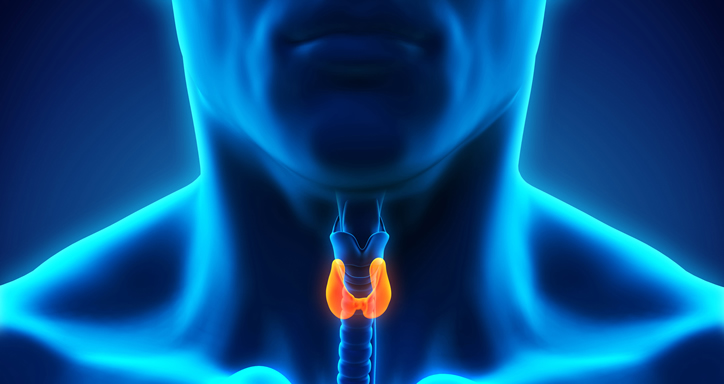 Atrial fibrillation, commonly known as Afib, is a condition where a patient experiences heart rhythm abnormalities characterized by rapid, irregular beating or arrhythmia. Atrial fibrillation is the most common form of arrhythmia, affecting 2% to 3% of the entire population of Europe and North America. This is millions of people we are talking about here, and hundreds of thousands of them lose their lives yearly due to Afib. Recognizing the causes and risk factors of Afib go a long way towards managing and treating the...
 The treatment of afib is important since it helps to slow down the heart rate, normalize the rhythm of the heart, and prevent the possibility of a stroke. When choosing the right treatments, you should follow medical guidelines from experts to the letter. This will significantly reduce the risk of stroke. In most cases, Warfarin is one of the most appropriate treatment options. However, there are several factors to take into consideration before starting the treatment. These factors include the type of atrial fibrillation you have,...