-
You may have heard of a heart condition by the name of Atrial Fibrillation, or simply Afib, as it has become more common of late. Afib is a medical condition where the atria, the upper chambers of the heart, contract abnormally and irregularly. These rapid heartbeats are referred to as arrhythmia. Studies conducted by the Center for Disease Control and Prevention have revealed that between 2.7 and 6.1 million people in the U.S. suffer from Afib. The condition has a higher prevalence among people over...
-
Atrial Fibrillation is very commonplace today. Sadly, the main concern in patients with Afib is preventing strokes. When blood is pumped so fast and chaotically in the two small upper chambers of the heart, it forms blood clots. Those clots, then, could break free and move to the brain, leading to a fatal stroke. Preventing strokes should be part of treatment for Atrial Fibrillation to reduce risks among patients. Statistics show that one in four strokes are a result of this condition among the...
-
Twenty years ago, an irregular heartbeat could just be another sign that you were aging. Now, however, Atrial Fibrillation is a growing health risk that affects millions of people in the United States. Afib can be potentially deadly. However, improvements in diagnostic tools and treatments, especially regarding blood thinners, are reducing the risks of Atrial Fibrillation. Aspirin has been in use to treat Atrial Fibrillation for years, but the current medical community is searching for a better solution. Both Aspirin and Warfarin can have undesirable...
-
The human body can experience distress in the blink of an eye due to many different types of ailments in a variety of ways. High blood pressure, or hypertension, most commonly occurs due to age, lack of activity, poor diet, or genetics. A heightened pressure that exceeds the prehypertension stage can result in a stroke, possibly through a condition known as atrial fibrillation. How do hypertension and an irregular heart rhythm affect the body? We’ll look at the connection between the two, as well as...
-
Many people suffer from high blood pressure with some of them not even realizing that they have high blood pressure to begin with. Those that know they have it try to find solutions to lower blood pressure for themselves without the use of medication. Unfortunately, sometimes proper diet and exercise do not always help and you need to seek the advice of a medical professional. But there are things that you can do at home to help lower blood pressure. Prescription drugs are commonly...
-
Atrial Fibrillation is becoming increasingly widespread as a whopping 33.5 million people worldwide and 2.5 million people in the United States are victims of the condition. People with this condition have five times more risk of getting a stroke in comparison to people without it. Some risk factors that can lead to Afib are aging, high blood pressure, diabetes, and an existing cardiovascular disease. Finally, another common risk factor is sleep apnea. Sleep apnea is a sleep disorder that’s usually characterized by breathing becoming...
-
A-fib, aka Atrial Fibrillation, is a medical condition characterized by irregular and fast heart rate. Without early diagnosis and treatment, it can lead to blood clots in the heart, which can lead to a devastating stroke. Thus, cardiologists often advise A-fib patients to take particular blood-thinning medications on a regular basis. Warfarin (Coumadin) has been in use as a reliable blood thinner to help reduce chances of suffering from a stroke significantly. Other medications such as Apixaban and Dabigatran can treat the condition as well. Moreover, while...


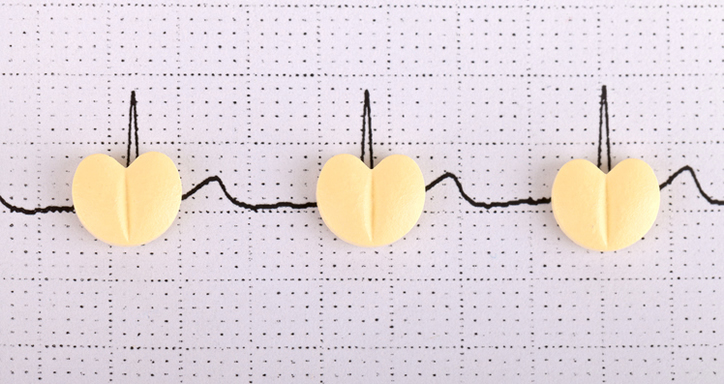
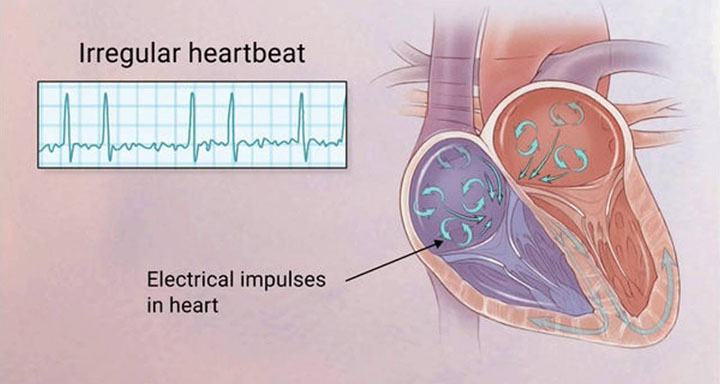
 You may have heard of a heart condition by the name of Atrial Fibrillation, or simply Afib, as it has become more common of late. Afib is a medical condition where the atria, the upper chambers of the heart, contract abnormally and irregularly. These rapid heartbeats are referred to as arrhythmia. Studies conducted by the Center for Disease Control and Prevention have revealed that between 2.7 and 6.1 million people in the U.S. suffer from Afib. The condition has a higher prevalence among people over...
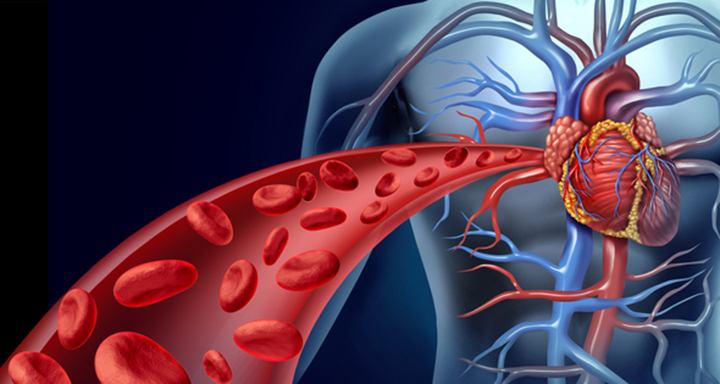 Atrial Fibrillation is very commonplace today. Sadly, the main concern in patients with Afib is preventing strokes. When blood is pumped so fast and chaotically in the two small upper chambers of the heart, it forms blood clots. Those clots, then, could break free and move to the brain, leading to a fatal stroke. Preventing strokes should be part of treatment for Atrial Fibrillation to reduce risks among patients. Statistics show that one in four strokes are a result of this condition among the...
 Twenty years ago, an irregular heartbeat could just be another sign that you were aging. Now, however, Atrial Fibrillation is a growing health risk that affects millions of people in the United States. Afib can be potentially deadly. However, improvements in diagnostic tools and treatments, especially regarding blood thinners, are reducing the risks of Atrial Fibrillation. Aspirin has been in use to treat Atrial Fibrillation for years, but the current medical community is searching for a better solution. Both Aspirin and Warfarin can have undesirable...
 The human body can experience distress in the blink of an eye due to many different types of ailments in a variety of ways. High blood pressure, or hypertension, most commonly occurs due to age, lack of activity, poor diet, or genetics. A heightened pressure that exceeds the prehypertension stage can result in a stroke, possibly through a condition known as atrial fibrillation. How do hypertension and an irregular heart rhythm affect the body? We’ll look at the connection between the two, as well as...
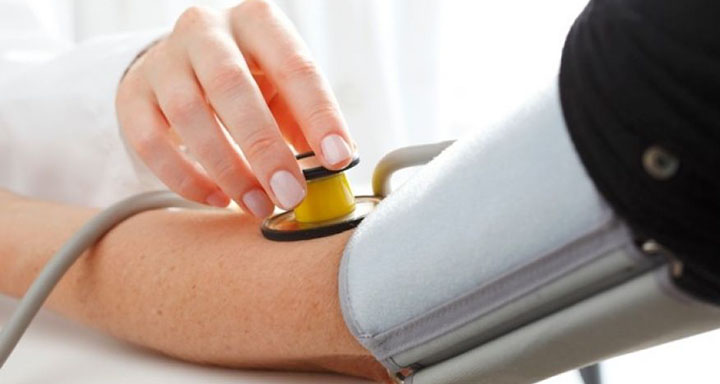 Many people suffer from high blood pressure with some of them not even realizing that they have high blood pressure to begin with. Those that know they have it try to find solutions to lower blood pressure for themselves without the use of medication. Unfortunately, sometimes proper diet and exercise do not always help and you need to seek the advice of a medical professional. But there are things that you can do at home to help lower blood pressure. Prescription drugs are commonly...
 Atrial Fibrillation is becoming increasingly widespread as a whopping 33.5 million people worldwide and 2.5 million people in the United States are victims of the condition. People with this condition have five times more risk of getting a stroke in comparison to people without it. Some risk factors that can lead to Afib are aging, high blood pressure, diabetes, and an existing cardiovascular disease. Finally, another common risk factor is sleep apnea. Sleep apnea is a sleep disorder that’s usually characterized by breathing becoming...
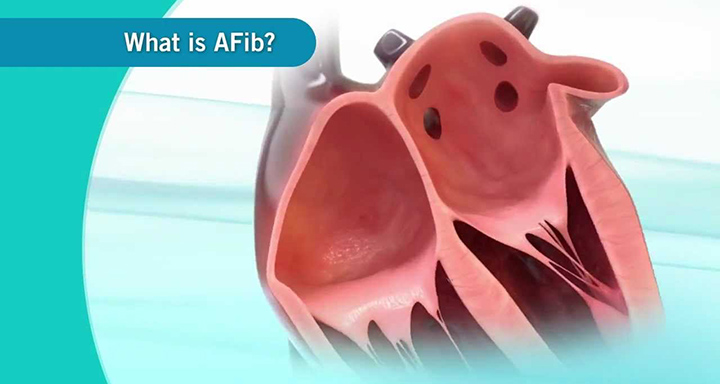 A-fib, aka Atrial Fibrillation, is a medical condition characterized by irregular and fast heart rate. Without early diagnosis and treatment, it can lead to blood clots in the heart, which can lead to a devastating stroke. Thus, cardiologists often advise A-fib patients to take particular blood-thinning medications on a regular basis. Warfarin (Coumadin) has been in use as a reliable blood thinner to help reduce chances of suffering from a stroke significantly. Other medications such as Apixaban and Dabigatran can treat the condition as well. Moreover, while...