-
If you have diabetes and are going through menopause, you need to understand the symptoms of both as they can be not only challenging but have serious side effects on your overall quality of life. Menopause is when a woman ceases to menstruate. On average, the symptoms of menopause can start to show anywhere between the ages of 45 to 55. The average age for women to have their last menstrual cycle is 51-years-old. Diabetes and menopause combined together have various effects on your body, including: Weight...
-
Diabetes is a condition that has become the focus of many health experts. Be that as it may, the fact that this condition is caused as a result of sedentary lifestyles makes it easier for it to be managed. One such way is following a diabetes diet. The essence of this diet is foods that control the level of blood sugar. One advantage with the diabetes diet is that as opposed to other meal plans that follow strict meal patterns, the diabetes diet is fairly easy...
-
According to the CDC, an astounding 29 million people across the United States suffer from diabetes, and another 86 million suffer from pre-diabetes. In Canada, over 3.4 million are affected by the disease. To make things worse, hundreds of millions in healthcare costs accrue each year as a result of the disease ($245 million in the United States in 2012). When you develop diabetes, it means that you have too much glucose or sugar in your blood. This leads to nerve damage and poor...
-
New research has now shown that lack of sleep is linked to type 2 diabetes. The research also indicates that people who have diabetes have problems when sleeping. Such issues include not falling asleep easily or problems shutting their eyes at night. Perhaps you have been experiencing this and you are quite familiar with this article. There are many centers of research that have come with various reason as to why people are not sleeping enough and the causes of type 2 diabetes. Here are...
-
Did you know that over 18 million adults and children in the United States have been diagnosed with diabetes? Common signs and symptoms of diabetes include: Always needing to urinate Always being thirsty Unexplained weight gain or weight loss Fatigue Prone to infections Slow healing of minor injuries (cuts, bruises) Tingling or numbness in extremities Learning how to manage diabetes is very important since the disease has no cure up to now. Diabetes complications are dynamic ranging from heart disease to vision loss and...
-
What health professional treats type 2 diabetes? Many times individuals have type 2 diabetes and don’t know it. Signs of diabetes include increased thirst, frequent urination, hunger, infections, headaches, fatigue, and cuts and bruises are slower to heal. If you notice any of these changes, discuss your symptoms with your primary care physician and consider visiting an endocrinologist, a doctor who specializes in diabetes. The endocrinologist will perform a series of tests to accurately diagnose the severity of your condition. How is type 2...
-
Many people assume that since both diabetes mellitus and diabetes insipidus begin with the word diabetes, they must be related. They also share two common warning signs: increased thirst and excessive urination. But the truth is that these conditions are not related at all. The latin word for diabetes means “to siphon.” You could say that both conditions are due to some sort of siphoning or filtering problem—one is related to sugar and the other is related to fluid. That is where the similarities...
-
Over 23 million people in the United States have diabetes, which is also known as diabetes mellitus. This leaves many people seeking diabetes information to help them manage this disease. Many have been officially diagnosed, but many others live with diabetes and do not even know it. They may have many diabetes symptoms, but do not realize what is causing these symptoms. There are two types of diabetes- type 1 and type 2. Of the 23 million Americans that have diabetes, over 90% have...
-
What is Type 1 Diabetes? Type 1 diabetes is usually diagnosed in children and young adults, and was previously known as juvenile diabetes. Only 5% of people with diabetes have this form of the disease. In type 1 diabetes, the body does not produce insulin. Insulin is a hormone that is needed to convert sugar, starches and other food into energy needed for daily life. With the help of insulin therapy and other treatments, even young children can learn to manage their condition and...


 If you have diabetes and are going through menopause, you need to understand the symptoms of both as they can be not only challenging but have serious side effects on your overall quality of life. Menopause is when a woman ceases to menstruate. On average, the symptoms of menopause can start to show anywhere between the ages of 45 to 55. The average age for women to have their last menstrual cycle is 51-years-old. Diabetes and menopause combined together have various effects on your body, including: Weight...
 Diabetes is a condition that has become the focus of many health experts. Be that as it may, the fact that this condition is caused as a result of sedentary lifestyles makes it easier for it to be managed. One such way is following a diabetes diet. The essence of this diet is foods that control the level of blood sugar. One advantage with the diabetes diet is that as opposed to other meal plans that follow strict meal patterns, the diabetes diet is fairly easy...
 According to the CDC, an astounding 29 million people across the United States suffer from diabetes, and another 86 million suffer from pre-diabetes. In Canada, over 3.4 million are affected by the disease. To make things worse, hundreds of millions in healthcare costs accrue each year as a result of the disease ($245 million in the United States in 2012). When you develop diabetes, it means that you have too much glucose or sugar in your blood. This leads to nerve damage and poor...
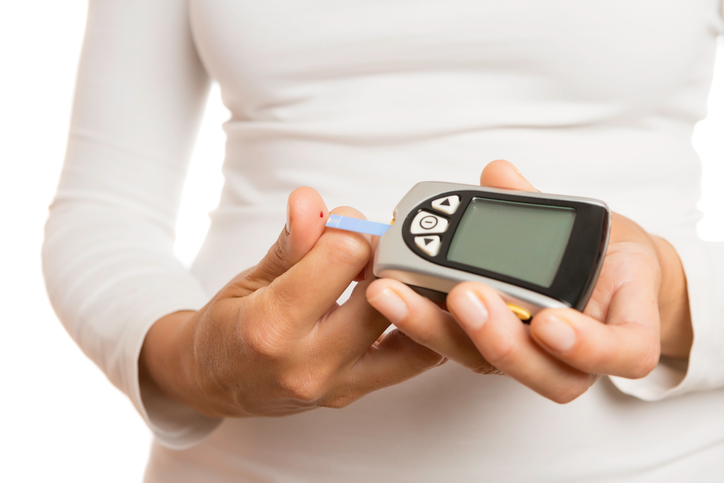 New research has now shown that lack of sleep is linked to type 2 diabetes. The research also indicates that people who have diabetes have problems when sleeping. Such issues include not falling asleep easily or problems shutting their eyes at night. Perhaps you have been experiencing this and you are quite familiar with this article. There are many centers of research that have come with various reason as to why people are not sleeping enough and the causes of type 2 diabetes. Here are...
 Did you know that over 18 million adults and children in the United States have been diagnosed with diabetes? Common signs and symptoms of diabetes include: Always needing to urinate Always being thirsty Unexplained weight gain or weight loss Fatigue Prone to infections Slow healing of minor injuries (cuts, bruises) Tingling or numbness in extremities Learning how to manage diabetes is very important since the disease has no cure up to now. Diabetes complications are dynamic ranging from heart disease to vision loss and...
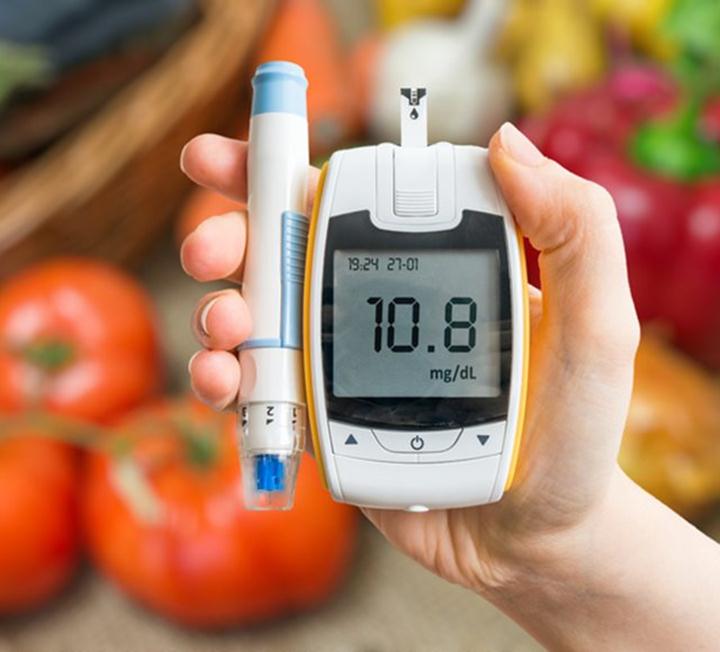 What health professional treats type 2 diabetes? Many times individuals have type 2 diabetes and don’t know it. Signs of diabetes include increased thirst, frequent urination, hunger, infections, headaches, fatigue, and cuts and bruises are slower to heal. If you notice any of these changes, discuss your symptoms with your primary care physician and consider visiting an endocrinologist, a doctor who specializes in diabetes. The endocrinologist will perform a series of tests to accurately diagnose the severity of your condition. How is type 2...
 Many people assume that since both diabetes mellitus and diabetes insipidus begin with the word diabetes, they must be related. They also share two common warning signs: increased thirst and excessive urination. But the truth is that these conditions are not related at all. The latin word for diabetes means “to siphon.” You could say that both conditions are due to some sort of siphoning or filtering problem—one is related to sugar and the other is related to fluid. That is where the similarities...
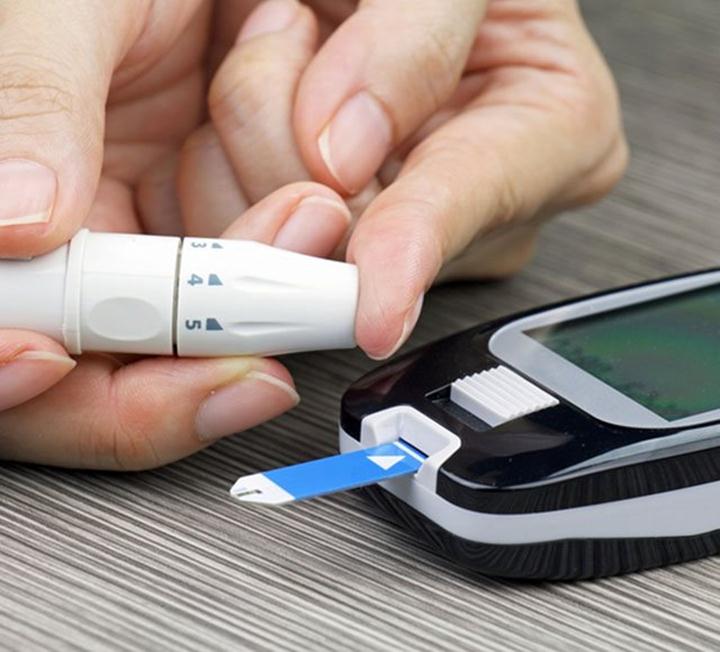 Over 23 million people in the United States have diabetes, which is also known as diabetes mellitus. This leaves many people seeking diabetes information to help them manage this disease. Many have been officially diagnosed, but many others live with diabetes and do not even know it. They may have many diabetes symptoms, but do not realize what is causing these symptoms. There are two types of diabetes- type 1 and type 2. Of the 23 million Americans that have diabetes, over 90% have...
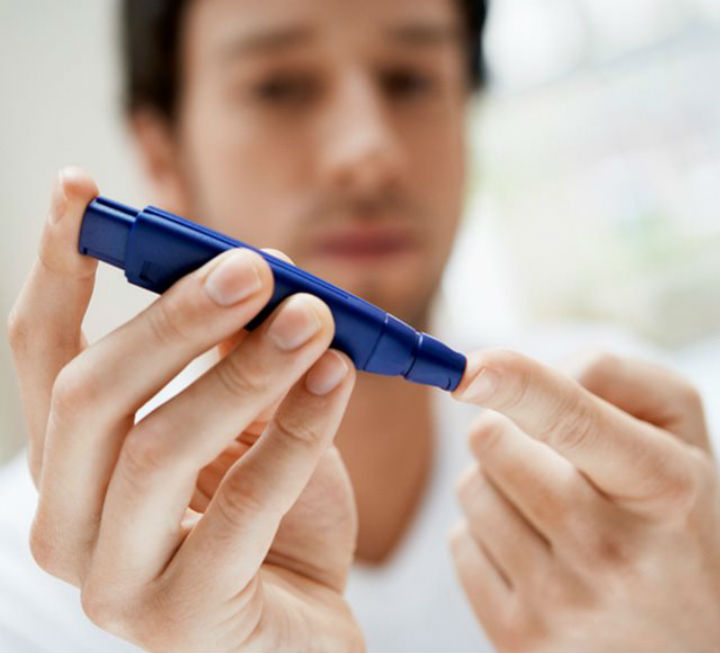 What is Type 1 Diabetes? Type 1 diabetes is usually diagnosed in children and young adults, and was previously known as juvenile diabetes. Only 5% of people with diabetes have this form of the disease. In type 1 diabetes, the body does not produce insulin. Insulin is a hormone that is needed to convert sugar, starches and other food into energy needed for daily life. With the help of insulin therapy and other treatments, even young children can learn to manage their condition and...