-
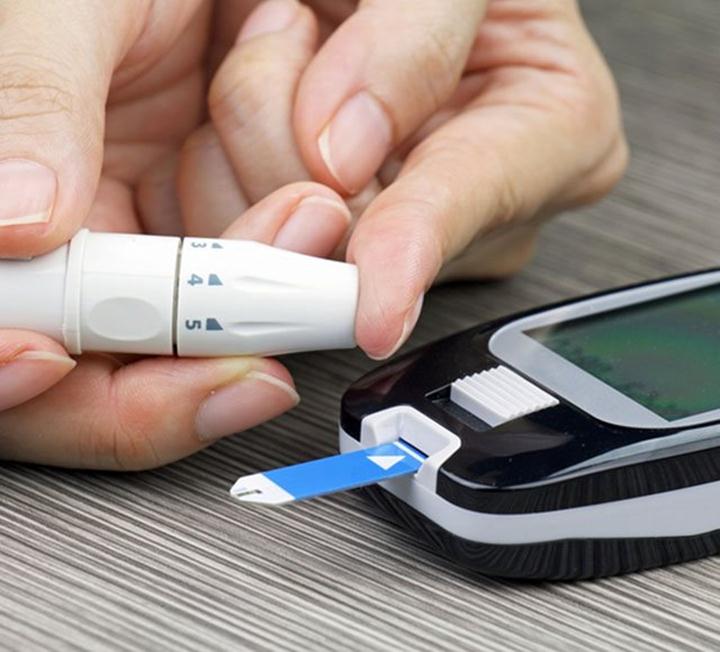
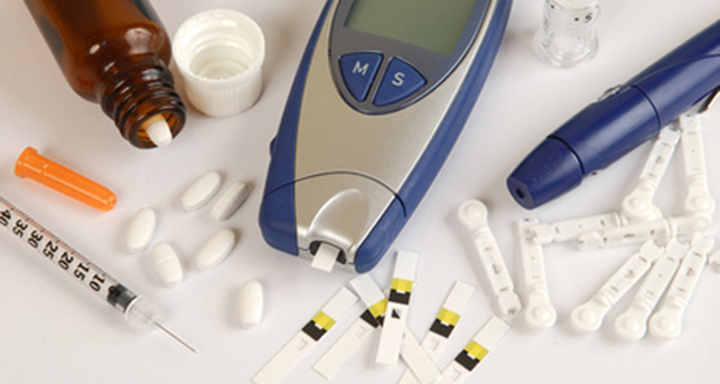
Given the severe consequential effects of insulin resistance and type 2 diabetes, proper monitorization of blood sugar levels is one of the key ways in helping to avoid any potentially serious health complications that may arise. Here we offer a few simple lifestyle changes which would no doubt prove helpful to diabetics in managing their condition and preventing diabetes-related health complications such as heart, kidney, and nerve damage. Being diagnosed with diabetes can be quite overwhelming for many, but living with the condition does...
-
While a large number of diabetic people may be overweight, there is accumulating evidence that their weight is a symptom of diabetes, not a cause. Of all the potential causes of diabetes, overeating is not only a misconception but is a topic a lot of people falsely speculate about since one out of five people who do not overeat is becoming increasingly diagnosed with type 2 diabetes. This myth stemmed from the observation that people with type 2 diabetes are often overweight and also...
-
Coffee and Diabetes Coffee and diabetes generally don’t mix. However, if you have high pre-diabetes, having coffee can actually reduce your risk of developing full-blown type 2 diabetes. That said, if you drink a lot of coffee and diabetes concerns you, you should exercise caution when drinking it. Coffee and diabetes usually aren’t a good pair as coffee often spikes insulin and glucose levels in the short term. It is also important to note that taking your coffee with sweeteners negates the purpose of...
-
Type 2 Diabetes is a widespread disease that affects millions of Americans. Your body isn’t able to utilize the hormone, insulin, properly if you’ve got type 2 diabetes. The body requires insulin in order to transfer glucose (sugar) from the blood into the cells for use in the production of energy. Therefore, glucose can accumulate in the blood (instead of being used by the cells to produce energy) when there isn’t sufficient insulin in the body, or it does not work as it should. Type...
-
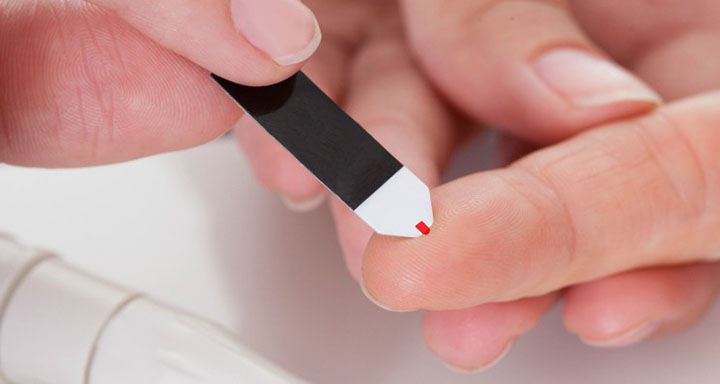
Millions of Americans suffer from diabetes. However, those from minority populations are at a greater risk for contracting the disease and experience its complications. Your ethnicity may be a diabetes risk factor as different genetic makeups influence how the condition affects the body. This article further explores these disparities and gives some recommendations for what those at an increased risk can do to lower their chances of becoming diabetic. The statistics about minority populations with type 2 diabetes is startling. According to numbers from...
-
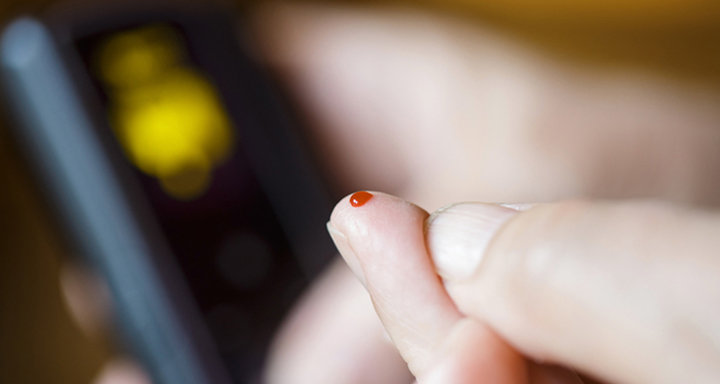
Type 2 diabetes and type 1 diabetes are often thought of as being one and the same, but in actual fact, they are two very different diseases with one thing in common. They both cause a high blood sugar level. According to a survey carried out, type 2 diabetes is the more prevalent type of diabetics, with an astounding 95 percent of people living with diabetes being type 2 diabetics, and a mere 5 percent being type 1. So, just what is the difference between...
-
Everyone worries about whether or not they are eating the right things. Whether you have specific weight-loss goals or are just looking to be healthier, a good, healthy diet can impact every aspect of your life. Diet is an especially big concern for those of us who have type 2 diabetes and need to make sure we are managing it correctly. Maintaining a healthy diabetes diet is critical to effectively manage your blood sugar levels and keep your body healthy. With all of the advice...
-
According to researchers at the University of Bloomington in Indiana and several other US research institutions, lung cancer could be a bigger threat to type 2 diabetics than to non-diabetics. In May of 2016, the British Journal of Cancer recorded the results of a study on 2,484 women whose doctors had diagnosed them with lung cancer. Those with type 2 diabetes were 27 percent more likely to die within almost three years. Women with the longest time as diabetics, those treated with insulin, and,...
-
The Human Genome Project (HGP) is an international scientific research project that took place in 2003. It was a successful achievement and benefit to studying biology, but also took quite a dive, causing heaps of disappointment. Revolutionizing biological science and expanding into a multi-billion dollar industry, it was vanquished when promises of advancing treatments for diseases were unfulfilled. Fortunately, those days are behind us as modern scientists are studying hundreds of thousands of human genomes. In the case of diabetes, much headway has been made in...


 Given the severe consequential effects of insulin resistance and type 2 diabetes, proper monitorization of blood sugar levels is one of the key ways in helping to avoid any potentially serious health complications that may arise. Here we offer a few simple lifestyle changes which would no doubt prove helpful to diabetics in managing their condition and preventing diabetes-related health complications such as heart, kidney, and nerve damage. Being diagnosed with diabetes can be quite overwhelming for many, but living with the condition does...
 While a large number of diabetic people may be overweight, there is accumulating evidence that their weight is a symptom of diabetes, not a cause. Of all the potential causes of diabetes, overeating is not only a misconception but is a topic a lot of people falsely speculate about since one out of five people who do not overeat is becoming increasingly diagnosed with type 2 diabetes. This myth stemmed from the observation that people with type 2 diabetes are often overweight and also...
 Coffee and Diabetes Coffee and diabetes generally don’t mix. However, if you have high pre-diabetes, having coffee can actually reduce your risk of developing full-blown type 2 diabetes. That said, if you drink a lot of coffee and diabetes concerns you, you should exercise caution when drinking it. Coffee and diabetes usually aren’t a good pair as coffee often spikes insulin and glucose levels in the short term. It is also important to note that taking your coffee with sweeteners negates the purpose of...
 Type 2 Diabetes is a widespread disease that affects millions of Americans. Your body isn’t able to utilize the hormone, insulin, properly if you’ve got type 2 diabetes. The body requires insulin in order to transfer glucose (sugar) from the blood into the cells for use in the production of energy. Therefore, glucose can accumulate in the blood (instead of being used by the cells to produce energy) when there isn’t sufficient insulin in the body, or it does not work as it should. Type...
 Millions of Americans suffer from diabetes. However, those from minority populations are at a greater risk for contracting the disease and experience its complications. Your ethnicity may be a diabetes risk factor as different genetic makeups influence how the condition affects the body. This article further explores these disparities and gives some recommendations for what those at an increased risk can do to lower their chances of becoming diabetic. The statistics about minority populations with type 2 diabetes is startling. According to numbers from...
 Type 2 diabetes and type 1 diabetes are often thought of as being one and the same, but in actual fact, they are two very different diseases with one thing in common. They both cause a high blood sugar level. According to a survey carried out, type 2 diabetes is the more prevalent type of diabetics, with an astounding 95 percent of people living with diabetes being type 2 diabetics, and a mere 5 percent being type 1. So, just what is the difference between...
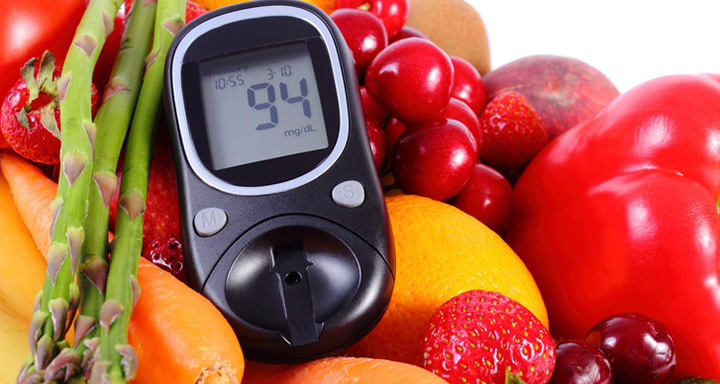 Everyone worries about whether or not they are eating the right things. Whether you have specific weight-loss goals or are just looking to be healthier, a good, healthy diet can impact every aspect of your life. Diet is an especially big concern for those of us who have type 2 diabetes and need to make sure we are managing it correctly. Maintaining a healthy diabetes diet is critical to effectively manage your blood sugar levels and keep your body healthy. With all of the advice...
 According to researchers at the University of Bloomington in Indiana and several other US research institutions, lung cancer could be a bigger threat to type 2 diabetics than to non-diabetics. In May of 2016, the British Journal of Cancer recorded the results of a study on 2,484 women whose doctors had diagnosed them with lung cancer. Those with type 2 diabetes were 27 percent more likely to die within almost three years. Women with the longest time as diabetics, those treated with insulin, and,...
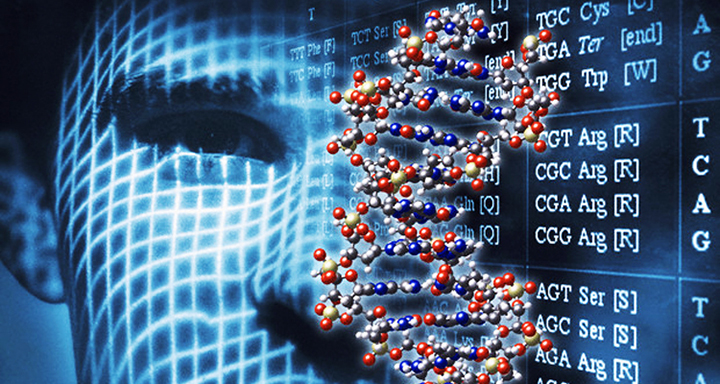 The Human Genome Project (HGP) is an international scientific research project that took place in 2003. It was a successful achievement and benefit to studying biology, but also took quite a dive, causing heaps of disappointment. Revolutionizing biological science and expanding into a multi-billion dollar industry, it was vanquished when promises of advancing treatments for diseases were unfulfilled. Fortunately, those days are behind us as modern scientists are studying hundreds of thousands of human genomes. In the case of diabetes, much headway has been made in...