Meningitis Symptoms
In its early stage, meningitis presents itself with flu-like symptoms that arise over the course of a day or a few days. Individuals of 2 years or older may exhibit signs and symptoms such as:
- An abrupt fever
- Stiff or sore neck
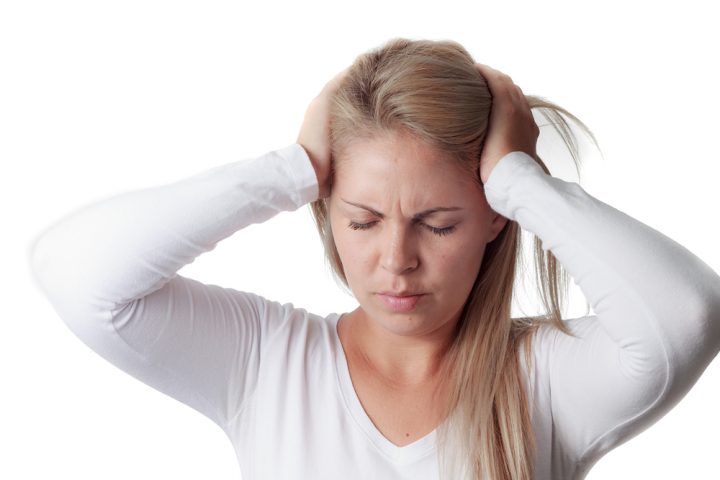
- Intense and unusually severe headaches
- Headaches accompanied by nausea or puking
- Cognitive impairment such as feeling disoriented and concentration issues
- Seizures
- Lethargy and drowsiness
- Light sensitivity
- Loss of appetite or thirst
- Rashes
Bacterial meningitis can become dangerous and even life-threatening in a matter of a few days without proper and urgent treatment. Deferring treatment can heighten the risk of lasting damage to the brain or even fatalities. If you experience a high fever, a sore neck, a stubborn headache, disorientation, and vomiting, seek medical attention right away.
Meningitis Causes
Meningitis most commonly develops due to a viral infection. The second most common type is meningitis caused by bacterial infections. Further, fungal infection-related meningitis is quite rare. Since bacterial infections can lead to life-threatening complications, pinpointing the root cause of meningitis is vital.
Bacterial meningitis transpires when certain bacteria penetrate the bloodstream and make their way to the brain or spinal cord, resulting in acute bacterial meningitis. Additionally, bacterial meningitis can also develop when bacteria attack the meninges directly. There are numerous strains of bacteria that can lead to bacterial meningitis, including but not limited to streptococcus pneumoniae and haemophilus influenza.
A majority of viral meningitis cases in the United States is a result of a class of viruses called enteroviruses. Herpes simplex, HIV, and West Nile virus can also lead to the development of viral meningitis.
Fungal meningitis is not very common and results in chronic meningitis, which is caused by the invasion of organisms that develop very slowly with symptoms akin to those of acute bacterial meningitis.
In most cases, viral meningitis tends to improve on its own.
Featured Image: DepositPhotos/ kleberpicui