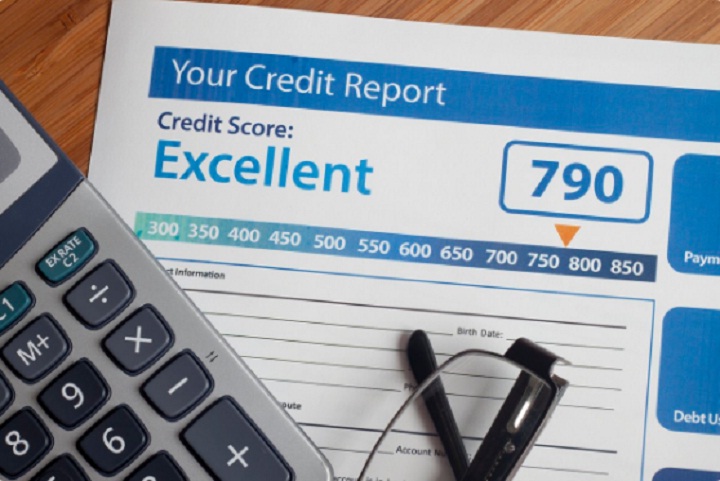
The numbers will range from 300 – 850, and are divided into subgroups that determine a person’s rank. The groups are typically titled “Excellent”, “Good”, “Fair”, and “Poor”. Sometimes, “Poor” and “Bad” are divided even further.
Almost all credit companies will agree that a score of 750 or above constitutes an excellent credit score. Someone who falls between 700 – 749 can safely assume that they are in the “good” category. 650 – 699 is fair, which is not great, but not terrible either. A score between 600 – 649 falls into the danger zone, and is qualified as a poor credit score. Anyone in the 500s or below is deemed to have bad credit.
Some banks and lenders can be a little more lenient with these numbers. As was mentioned before, there is no official rule on what scores place within what rankings. Some credit companies may accept a score of 650 for a credit card, while others may require a score of at least 699 or more. Shop around to see what your options are if you aren’t sure what you can get qualified for.
Generating Credit Scores
Credit scores are typically generated through a mathematical system and calculate a credit report based on a variety of different factors. Your payment history, amount of debt, number of credit counts, and number of times you’ve applied for a loan or a credit card will all be taken into account when measuring your score. This mathematical procedure is used to determine what someone’s credit habits are like.
Keeping Up with a Good Score
It is highly recommended that you work on maintaining, or obtaining, a good credit score. By managing your finances responsibly, you are more likely to qualify for loans when you need them. Not only will you qualify for loans, but the better your credit score is, the more likely you are to receive discounted interest rates as well.
Unfortunately, it does take a little bit of work to manage and maintain your credit score. You should sign up with a credit report company that will give you access to your full score, as well as alert you whenever your score changes – for better or for worse. Stay on top of your monthly payments, and make sure you aren’t applying for too many credit opportunities at once. Don’t invest in something you know you won’t be able to pay off within a reasonable amount of time.
Featured Image: twitter