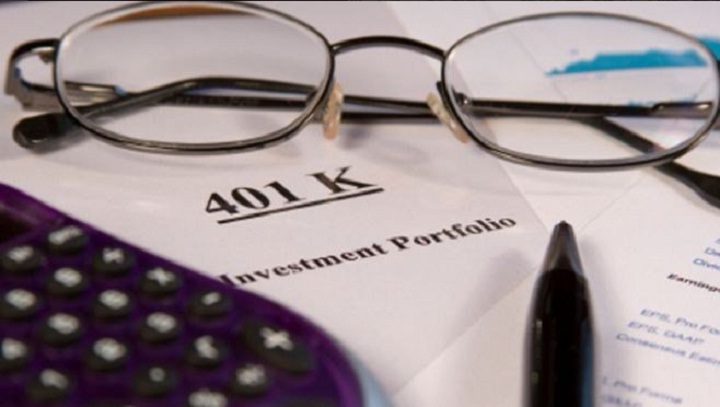
Your employer may even be able to match your contributions up to a certain percent of your salary.
Think of a 401k account like any other savings account: You dedicate a certain part of your earned income to put away for retirement. The best part is that all 401k contributions are completely tax-free.
How Employers Can Contribute
Many employers who offer a 401k retirement plan are able to match up to 50% of your paycheck’s contributions. This is calculated yearly, by percentage, or up to a certain flat amount. There are cases where employers match 100% of the contributions, so it’s important to consider the benefits of working for a good company.
What is a Roth 401k?
A Roth 401k differs from a traditional 401k plan, as the deductions are completely tax-free. This means that once you reach the age of 59 and a half, you can start withdrawing money from your Roth account without it being taxed. A traditional 401k does have a tax bracket upon deductions.
Can a 401k be Treated like a Traditional Savings Account?
Unfortunately, you cannot treat a 401k like any other savings account. With a traditional savings account, you can withdraw money at any time without worry – with a 401k, your savings are pretty much locked from access until you reach the age of retirement. While there are ways to get the money out early, it comes with major penalties on top of heavy taxes.
What Else Can You Do with a 401k?
One of the most popular ways to use a 401k is through investing. This is the best case for growing your 401k over time. Invest some of your retirement money in stocks, as the long-term growth will leave you with a pleasing amount of cash by the time you reach the age of retirement. Investing in bonds is another solid option that comes with minimal risk.
How Much Can Be Contributed to a 401k?
If you are under the age of 50, it is likely that you won’t be able to contribute anything over $18,00 to begin with. This amounts to about 10% of your paycheck, which is a healthy contribution level. You can afford to contribute even less if your employer is willing to match it by 50% or 100%.
What Happens when You Change Jobs?
You don’t need to cash out on your 401k if you change jobs. This would incur a 10% penalty fee anyway. You can typically consolidate your 401k into a new retirement plan, which is a great way to keep your savings without facing the terrible withdrawal taxes. Otherwise, you can choose to turn your 401k into an IRA account. This is another savings plan for retirement, and it comes with the added bonus of being tax-free. There is also no limit to a number of contributions you can make to an IRA account.
Is it Really Important to Save for Retirement?
You may be wondering, “Why do I need to worry about retirement now? Do I really need to start saving this early?” The plain and simple answer is that it’s important to save up for retirement in order to make sure that your future is safe and secure. And the earlier you start saving, the more you will have come retirement age. While your retirement may be several years away, you will thank yourself in the long run for your ability to make responsible decisions and be financially established enough to contribute to a long-lasting plan.
Featured Image: twitter