-
Personality disorders are defined as continuous patterns of behavior and internal experiences that are highly deviant from most societal and cultural expectations or norms. Such behaviors are inflexible and pervasive. They start in late childhood or early adulthood, continue over time, and provide a source of distress and even impairment. DSM-V, the main diagnostic manual used by mental health professionals, organizes personality disorders into three clusters (A, B and C) that represent an umbrella for the 10 recognized disorders. How long have personality disorders been diagnosed? The concept of a...
-
Personality disorders are a category of mental disorders that are characterized by rigid and unhealthy patterns of thinking, behaving, and functioning. The most well-known personality disorders include obsessive-compulsive personality disorder, avoidant personality disorder, paranoid personality disorder, and borderline personality disorder. There is a wide range of personality disorders, with most being found in teenagers and young adults. Deciding which treatment is best for you will depend on your individual situation – this includes which personality disorder you are diagnosed with, how severe it is,...
-
Schizoaffective disorder is both a psychotic disorder and a mood disorder. In order to get an accurate diagnosis, the affected individual must visit a licensed psychologist or psychiatrist for a mental health assessment. In addition to meeting the Diagnostic and Statistical Manual of Mental Health Disorders (DSM) criteria for schizophrenia, he or she must also experience a mood disorder—either a major depressive episode or a manic or mixed episode as evident through bipolar disorder. Featured Image Source: DepositPhotos © designer491...
-
As with many psychological disorders, a single definitive cause has yet to be determined for schizoaffective disorder. However, several informed contributing causes have been suggested. Genetics plays a strong role: schizoaffective disorder is more likely to appear if a family member has the condition. This plays into the differences in brain chemistry that are often found in the brains of these individuals. Research in this area is fairly new, but excessive production of dopamine, enlarged ventricles in the brain, and decreased brain volume may contribute...
-
Schizoaffective disorder is a chronic psychological disorder characterized by its combination of both schizophrenic and mood disorder symptoms. Less than half a percent of the population is affected, and this condition is often misunderstood—and misdiagnosed. Here is a look at what psychotic and mood disorders are, as well as the symptoms, diagnosis, cause, and treatment of schizoaffective disorder. Psychotic Disorders vs Mood Disorders In order to comprehend schizoaffective disorder, it is necessary to understand what exactly psychotic disorders and mood disorders are. Psychotic disorders, such as...
-
Schizoaffective disorder is both a psychotic disorder and a mood disorder. In addition to meeting the diagnostic criteria for schizophrenia, the patient must also meet the diagnostic criteria for either major depressive disorder or bipolar disorder. Because of this dual nature, it can be easy to misunderstand—and misdiagnose—schizoaffective disorder. However, appropriate diagnosis is essential for appropriate treatment of the condition. Here is a look at some common schizoaffective disorder treatments. Individualization Schizoaffective disorder has a tendency to be a controversial subject among psychologists, as some believe it’s important...
-
A personality disorder is commonly defined as a rigid, unhealthy way of thinking, behaving and functioning in life. In general, when people have personality disorders, they often have difficulty in relating to others and to certain situations. They often cannot perceive things as they are in reality, which leads them to experience difficulty in social situations, personal relationships, and at work or school in their everyday lives. Personality Disorder Causes Generally speaking, there may be two things that cause a personality disorder. One of the most common is genetics, as...
-
Histrionic personality disorder is a condition characterized by attention-seeking behaviors and inappropriate social interactions. Like other personality disorders, HPD can be tricky to diagnose because its symptoms manifest behaviorally instead of physically. Despite this issue, psychologists have developed a rudimentary system for determining whether a patient is suffering from the condition. Criteria for Diagnosis The American Psychological Association offers the following symptoms as potential indicators of histrionic personality disorder: The urge to be the center of attention in every social interaction Inappropriate sexual or...
-
Bipolar disorder is a condition that affects the chemistry of your brain and causes emotional episodes ranging from manic and hypomanic (less severe than manic) to major depressive. The cause of this disorder is not known exactly. However, it is generally believed that the disorder is the result of a combination of genetic, neurochemical, and environmental factors. Genetic Factors Bipolar disorder tends to run in families. Roughly half of the people affected by bipolar disorder have a family member with a mood disorder. If you...


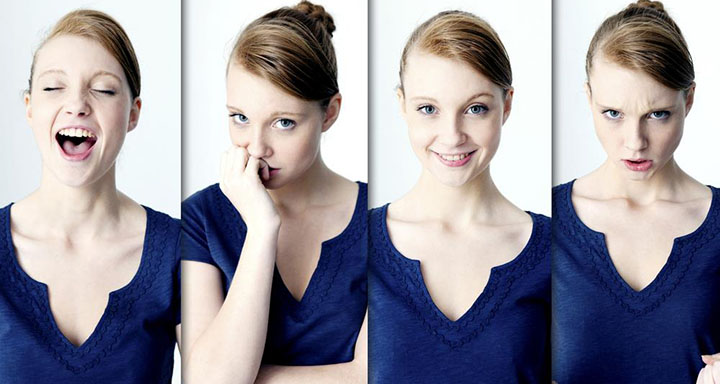
 Personality disorders are defined as continuous patterns of behavior and internal experiences that are highly deviant from most societal and cultural expectations or norms. Such behaviors are inflexible and pervasive. They start in late childhood or early adulthood, continue over time, and provide a source of distress and even impairment. DSM-V, the main diagnostic manual used by mental health professionals, organizes personality disorders into three clusters (A, B and C) that represent an umbrella for the 10 recognized disorders. How long have personality disorders been diagnosed? The concept of a...
 Personality disorders are a category of mental disorders that are characterized by rigid and unhealthy patterns of thinking, behaving, and functioning. The most well-known personality disorders include obsessive-compulsive personality disorder, avoidant personality disorder, paranoid personality disorder, and borderline personality disorder. There is a wide range of personality disorders, with most being found in teenagers and young adults. Deciding which treatment is best for you will depend on your individual situation – this includes which personality disorder you are diagnosed with, how severe it is,...
 Schizoaffective disorder is both a psychotic disorder and a mood disorder. In order to get an accurate diagnosis, the affected individual must visit a licensed psychologist or psychiatrist for a mental health assessment. In addition to meeting the Diagnostic and Statistical Manual of Mental Health Disorders (DSM) criteria for schizophrenia, he or she must also experience a mood disorder—either a major depressive episode or a manic or mixed episode as evident through bipolar disorder. Featured Image Source: DepositPhotos © designer491...
 As with many psychological disorders, a single definitive cause has yet to be determined for schizoaffective disorder. However, several informed contributing causes have been suggested. Genetics plays a strong role: schizoaffective disorder is more likely to appear if a family member has the condition. This plays into the differences in brain chemistry that are often found in the brains of these individuals. Research in this area is fairly new, but excessive production of dopamine, enlarged ventricles in the brain, and decreased brain volume may contribute...
 Schizoaffective disorder is a chronic psychological disorder characterized by its combination of both schizophrenic and mood disorder symptoms. Less than half a percent of the population is affected, and this condition is often misunderstood—and misdiagnosed. Here is a look at what psychotic and mood disorders are, as well as the symptoms, diagnosis, cause, and treatment of schizoaffective disorder. Psychotic Disorders vs Mood Disorders In order to comprehend schizoaffective disorder, it is necessary to understand what exactly psychotic disorders and mood disorders are. Psychotic disorders, such as...
 Schizoaffective disorder is both a psychotic disorder and a mood disorder. In addition to meeting the diagnostic criteria for schizophrenia, the patient must also meet the diagnostic criteria for either major depressive disorder or bipolar disorder. Because of this dual nature, it can be easy to misunderstand—and misdiagnose—schizoaffective disorder. However, appropriate diagnosis is essential for appropriate treatment of the condition. Here is a look at some common schizoaffective disorder treatments. Individualization Schizoaffective disorder has a tendency to be a controversial subject among psychologists, as some believe it’s important...
 A personality disorder is commonly defined as a rigid, unhealthy way of thinking, behaving and functioning in life. In general, when people have personality disorders, they often have difficulty in relating to others and to certain situations. They often cannot perceive things as they are in reality, which leads them to experience difficulty in social situations, personal relationships, and at work or school in their everyday lives. Personality Disorder Causes Generally speaking, there may be two things that cause a personality disorder. One of the most common is genetics, as...
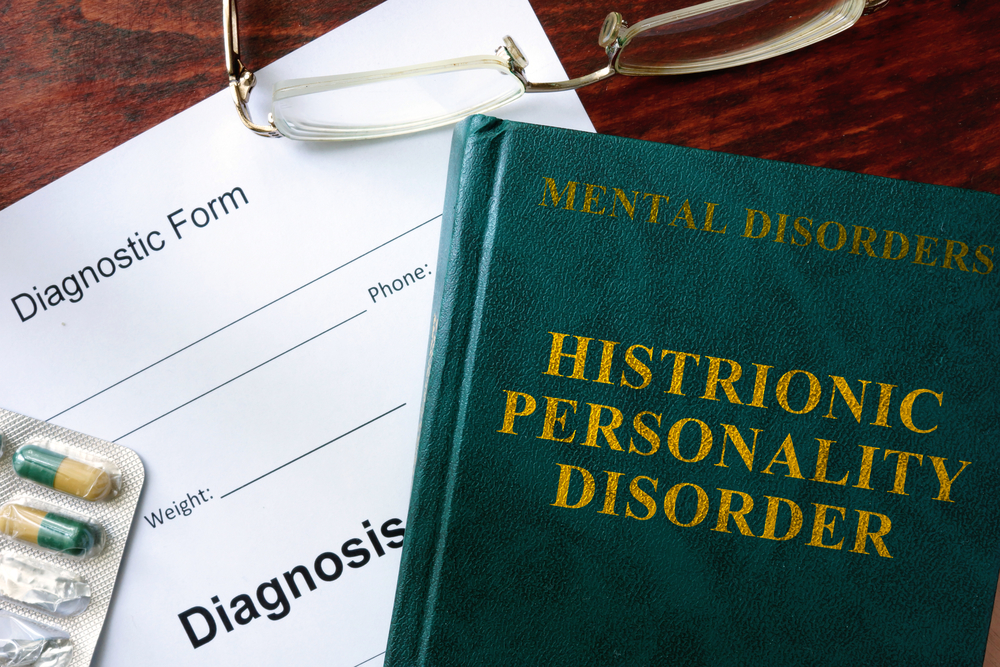 Histrionic personality disorder is a condition characterized by attention-seeking behaviors and inappropriate social interactions. Like other personality disorders, HPD can be tricky to diagnose because its symptoms manifest behaviorally instead of physically. Despite this issue, psychologists have developed a rudimentary system for determining whether a patient is suffering from the condition. Criteria for Diagnosis The American Psychological Association offers the following symptoms as potential indicators of histrionic personality disorder: The urge to be the center of attention in every social interaction Inappropriate sexual or...
 Bipolar disorder is a condition that affects the chemistry of your brain and causes emotional episodes ranging from manic and hypomanic (less severe than manic) to major depressive. The cause of this disorder is not known exactly. However, it is generally believed that the disorder is the result of a combination of genetic, neurochemical, and environmental factors. Genetic Factors Bipolar disorder tends to run in families. Roughly half of the people affected by bipolar disorder have a family member with a mood disorder. If you...