-
Hyperhidrosis is a chronic condition in which you perspire excessively when your body is under normal, everyday circumstances. Hyperhidrosis causes both sides of your body to sweat even when you are not overheated, nervous, or exercising. It may occur unnecessarily at least once a week, according to the Mayo Clinic. Although you may initially consult your general practitioner about hyperhidrosis, you will most likely be referred to a dermatologist, which is a specialist who treats conditions of the skin. How many people have hyperhidrosis? The American...
-
Acne can be a big problem for anyone, at any age. It can ruin your self-esteem and also your competition. Luckily, there are many acne treatments on the market. However, everyone skin is a bit different and it may take more than one treatment to get a good result. If you are looking for an effective acne treatment, you have come to the right place. What Causes Acne? Acne is a type of skin disorders. It occurs when pores on the skin are blocked...
-
Renal cell carcinoma makes up approximately nine out of ten kidney cancer cases in adults. This type of kidney cancer originates in the lining of the proximal convoluted tubule, which is part of the small tubes in the kidney that transport waste from the blood to the urine. The symptoms of this disease are typically very hard to recognize, which explains why the cancer has often already spread by the time it is diagnosed. Symptoms and Signs Most patients don’t start showing symptoms for...
-
Kidney cancer or renal cancer develops in the cells of the kidney; the various types of renal cancers are determined based on the specific cells in which cancerous cells are detected. The detection and prevention of kidney cancer can be challenging as they develop in unlikely ways and have varied long term effects and hence the stages and occurrences should be monitored precisely in order to adopt the most suitable treatment method. Renal cell carcinoma is one of the most common types of kidney...
-
COPD is commonly misdiagnosed — former smokers are often told they have COPD when in reality they have another less common lung condition. Likewise, many persons who truly do have COPD aren’t diagnosed until the disease is far advanced and interventions are less effective. Tests If you have symptoms of COPD and a history of exposure to lung irritants, especially cigarette smoke, your doctor may recommend these tests: Pulmonary Function Tests: Spirometry is the most common lung function test. During this test, you’ll be...
-
The symptoms and signs of Chronic Obstructive Pulmonary Disease (COPD) include a heavy wheezing cough or a cough that brings forth large amounts of mucus (often called smoker’s cough); shortness of breath, especially with sports and chest tightness. Some of the symptoms and signs of COPD are identical to the symptoms of other conditions and diseases, however a doctor will be able to confirm whether it is COPD. If one has COPD, he or she may have the flu or influenza frequently. If symptoms...
-
COPD defined Have you ever become out of breath walking a few meters? Or wanted to try out for the hockey team but were afraid of becoming a panting outcast? Want to play hopscotch with your kids but can’t manage more than a few jumps without finding yourself absolutely winded? You may have always just passed it off as being “unfit,” but the reality is that you may be suffering from COPD. Chronic obstructive pulmonary disease is a broad term that refers to progressive...
-
Chronic obstructive pulmonary disease, also known as COPD, is a progressive disease that usually makes it difficult to breathe. “Progressive” simply means that this illness gets worse with time. COPD might cause coughing which produces large amounts mucus, wheezing, chest tightness, and shortness of breath. Cigarette smoking is currently the leading cause of the disease. Most individuals who have COPD used to smoke, or they are still smokers. Continued exposure to several other lung irritants like air pollution, dust, or chemical fumes might also cause...
-
Chronic obstructive pulmonary disease, or COPD for short, is a progressive disease without a cure. With this condition, the lungs undergo severe damage, primarily through smoking, which is irreversible. This damage then causes problems with breathing. You may also be familiar with the terms chronic bronchitis and emphysema, which are different types of COPD. COPD symptoms include coughing with mucus and shortness of breath. If have this condition, you need to have a COPD treatment plan, including proper medication and lifestyle changes. Pulmonary Rehabilitation...
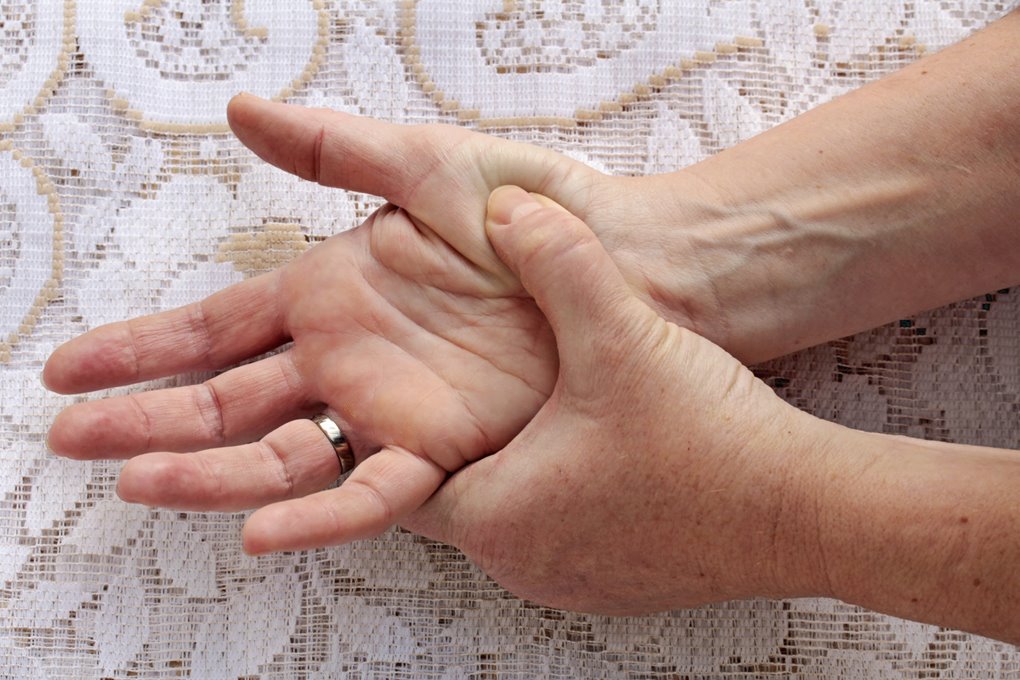

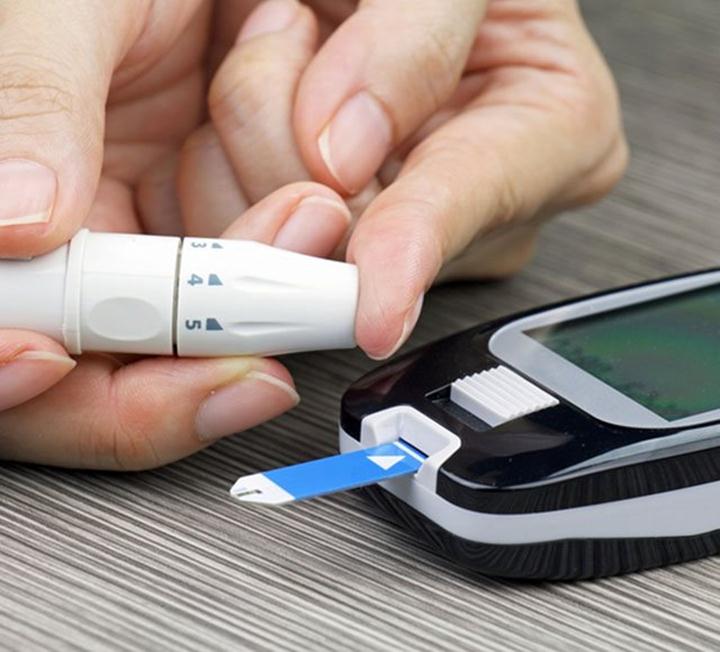

 Hyperhidrosis is a chronic condition in which you perspire excessively when your body is under normal, everyday circumstances. Hyperhidrosis causes both sides of your body to sweat even when you are not overheated, nervous, or exercising. It may occur unnecessarily at least once a week, according to the Mayo Clinic. Although you may initially consult your general practitioner about hyperhidrosis, you will most likely be referred to a dermatologist, which is a specialist who treats conditions of the skin. How many people have hyperhidrosis? The American...
 Acne can be a big problem for anyone, at any age. It can ruin your self-esteem and also your competition. Luckily, there are many acne treatments on the market. However, everyone skin is a bit different and it may take more than one treatment to get a good result. If you are looking for an effective acne treatment, you have come to the right place. What Causes Acne? Acne is a type of skin disorders. It occurs when pores on the skin are blocked...
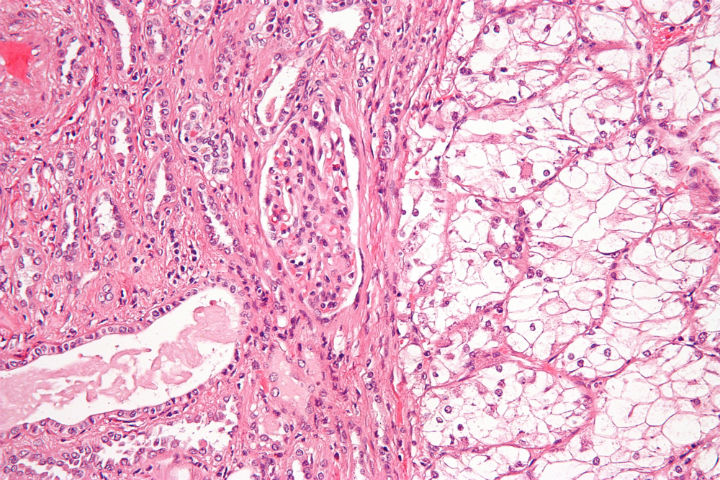 Renal cell carcinoma makes up approximately nine out of ten kidney cancer cases in adults. This type of kidney cancer originates in the lining of the proximal convoluted tubule, which is part of the small tubes in the kidney that transport waste from the blood to the urine. The symptoms of this disease are typically very hard to recognize, which explains why the cancer has often already spread by the time it is diagnosed. Symptoms and Signs Most patients don’t start showing symptoms for...
 Kidney cancer or renal cancer develops in the cells of the kidney; the various types of renal cancers are determined based on the specific cells in which cancerous cells are detected. The detection and prevention of kidney cancer can be challenging as they develop in unlikely ways and have varied long term effects and hence the stages and occurrences should be monitored precisely in order to adopt the most suitable treatment method. Renal cell carcinoma is one of the most common types of kidney...
 COPD is commonly misdiagnosed — former smokers are often told they have COPD when in reality they have another less common lung condition. Likewise, many persons who truly do have COPD aren’t diagnosed until the disease is far advanced and interventions are less effective. Tests If you have symptoms of COPD and a history of exposure to lung irritants, especially cigarette smoke, your doctor may recommend these tests: Pulmonary Function Tests: Spirometry is the most common lung function test. During this test, you’ll be...
 The symptoms and signs of Chronic Obstructive Pulmonary Disease (COPD) include a heavy wheezing cough or a cough that brings forth large amounts of mucus (often called smoker’s cough); shortness of breath, especially with sports and chest tightness. Some of the symptoms and signs of COPD are identical to the symptoms of other conditions and diseases, however a doctor will be able to confirm whether it is COPD. If one has COPD, he or she may have the flu or influenza frequently. If symptoms...
 COPD defined Have you ever become out of breath walking a few meters? Or wanted to try out for the hockey team but were afraid of becoming a panting outcast? Want to play hopscotch with your kids but can’t manage more than a few jumps without finding yourself absolutely winded? You may have always just passed it off as being “unfit,” but the reality is that you may be suffering from COPD. Chronic obstructive pulmonary disease is a broad term that refers to progressive...
 Chronic obstructive pulmonary disease, also known as COPD, is a progressive disease that usually makes it difficult to breathe. “Progressive” simply means that this illness gets worse with time. COPD might cause coughing which produces large amounts mucus, wheezing, chest tightness, and shortness of breath. Cigarette smoking is currently the leading cause of the disease. Most individuals who have COPD used to smoke, or they are still smokers. Continued exposure to several other lung irritants like air pollution, dust, or chemical fumes might also cause...
 Chronic obstructive pulmonary disease, or COPD for short, is a progressive disease without a cure. With this condition, the lungs undergo severe damage, primarily through smoking, which is irreversible. This damage then causes problems with breathing. You may also be familiar with the terms chronic bronchitis and emphysema, which are different types of COPD. COPD symptoms include coughing with mucus and shortness of breath. If have this condition, you need to have a COPD treatment plan, including proper medication and lifestyle changes. Pulmonary Rehabilitation...