-
Nausea, or stomach pain, is a common symptom for a variety of conditions and is defined as a feeling of sickness with an inclination to vomit. Often, nausea and vomiting will occur together, but they can occur separately as well. Nausea is not a disease in itself, but rather a non-specific symptom that can be caused by a number of things. Causes of Nausea There are over 700 possible causes for nausea. The most common causes include: Morning sickness: Stomach pain is an early symptom that occurs in...
-
While the human digestive tract is full of countless dead bacterium cells known as salmonella, ingesting even a miniscule amount of live salmonella can lead to a very serious illness. Not only can this infection become extremely uncomfortable, but patients who have a weakened immune system could be looking at serious medical complications if the situation goes untreated. This is why it is so important to understand the symptoms of salmonella poisoning in order to treat this issue as quickly as possible. Sources Many...
-
Staphylococcus bacteria is a type of bacteria that causes staph infections. Staph infections can appear in many different forms and varying degrees of severity. Most of the time, this bacteria causes very minor skin infections or no problems at all. However, staph infections can easily turn deadly if the bacteria enter your bloodstream, bones, joints, lungs, or heart. Staph Infection Causes Staph infections are caused by the staphylococcus bacteria, but many people carry this bacterium without ever developing a staph infection. However, these bacteria...
-
Probiotics are live cultures of bacteria that work to maintain the balance of good and bad bacteria in your gut. Probiotics are found in certain foods, but can also be taken as over-the-counter concentrated supplements. There are several different strains and types of probiotics, with different health benefits as well. Here are some of the most common. Lactobacillus This is the most common type of probiotic strain, with over 50 different species. Lactobacilli are naturally found in the digestive, urinary, and genital systems in...
-
If you’re lactose intolerant, you know that it can be difficult to find foods that don’t contain lactose but still taste great and are nutritional. Fortunately, there are plenty of alternatives for most dairy products out there. Here are five to try if you’re looking to diversify your diet. Milk Alternatives The National Academy of Sciences recommends that you should be getting at least 1,000 mg of calcium every day, but this can be difficult to accomplish if you are lactose intolerant. Unfortunately, other milk...
-
Unless you’re a part of the super elite lactose intolerant club (or vegan), then you have no idea just how much of a pain in the ass it can be to avoid dairy. Even the tiniest amount can send our bodies into a miserable tailspin for the rest of the day. Just in case you don’t believe that being lactose intolerant is a truly miserable experience, here’s a little peek at what I go through every day. People think you’re being dramatic. I wish I...
-
Lactose is the primary sugar in cow’s milk and other dairy products. If your body lacks the enzyme lactase, this means that you’re unable to digest lactose, which can cause gastrointestinal problems. Even though true lactose intolerance usually doesn’t present itself until the grade-school or teen years, sometimes babies (especially if born prematurely) are unable to produce adequate amounts of lactase for awhile. However, their lactase levels typically return to normal as they grow older. In rare cases, a baby is born with true lactose intolerance. When...
-
When your small intestine is unable to produce enough of the enzyme lactase, then your body becomes unable to digest lactose, the sugar found in milk and other dairy products. This condition is known as lactose intolerance. Since lactose cannot be broken down, it moves into the colon instead of being absorbed into the bloodstream like it should be. This is what causes the uncomfortable symptoms associated with the condition. Risk factors for Lactose Intolerance There are some factors that can increase you or your child’s risk...
-
Lactose intolerance is the unfortunate inability of the body to properly digest dairy products. “Lactose” is the sugar in these items and the part of dairy the body responds so poorly to. The small intestine doesn’t have enough lactase, an enzyme that breaks down lactose, and so the lactose upsets the gastrointestinal tract. Half to three quarters of the world’s population is lactose intolerant, a number increased by the fact that the condition is hereditary. Lactose Intolerance Causes The most common form of lactose intolerance...



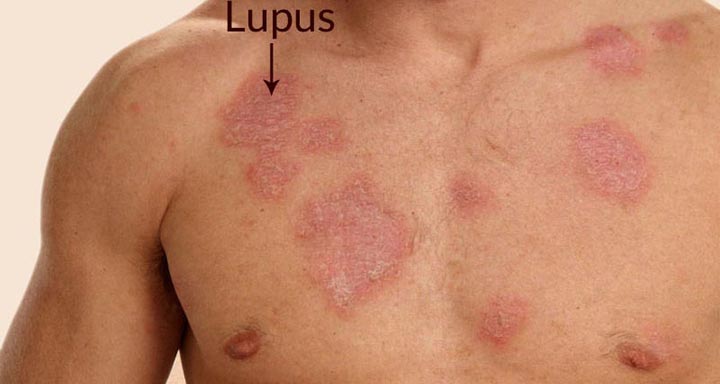
 Nausea, or stomach pain, is a common symptom for a variety of conditions and is defined as a feeling of sickness with an inclination to vomit. Often, nausea and vomiting will occur together, but they can occur separately as well. Nausea is not a disease in itself, but rather a non-specific symptom that can be caused by a number of things. Causes of Nausea There are over 700 possible causes for nausea. The most common causes include: Morning sickness: Stomach pain is an early symptom that occurs in...
 While the human digestive tract is full of countless dead bacterium cells known as salmonella, ingesting even a miniscule amount of live salmonella can lead to a very serious illness. Not only can this infection become extremely uncomfortable, but patients who have a weakened immune system could be looking at serious medical complications if the situation goes untreated. This is why it is so important to understand the symptoms of salmonella poisoning in order to treat this issue as quickly as possible. Sources Many...
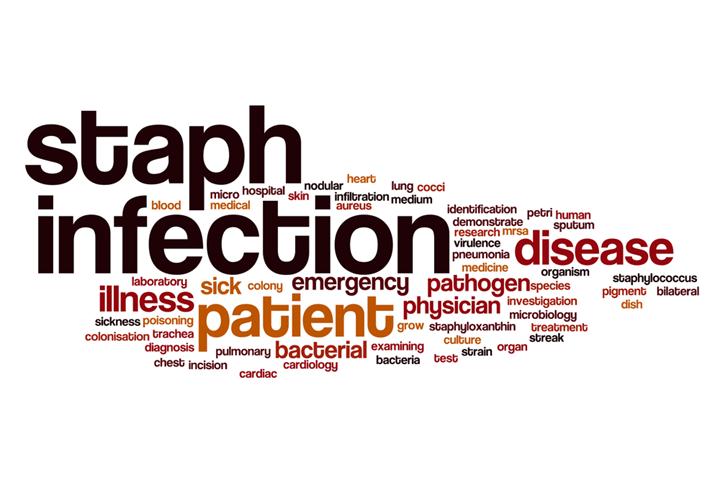 Staphylococcus bacteria is a type of bacteria that causes staph infections. Staph infections can appear in many different forms and varying degrees of severity. Most of the time, this bacteria causes very minor skin infections or no problems at all. However, staph infections can easily turn deadly if the bacteria enter your bloodstream, bones, joints, lungs, or heart. Staph Infection Causes Staph infections are caused by the staphylococcus bacteria, but many people carry this bacterium without ever developing a staph infection. However, these bacteria...
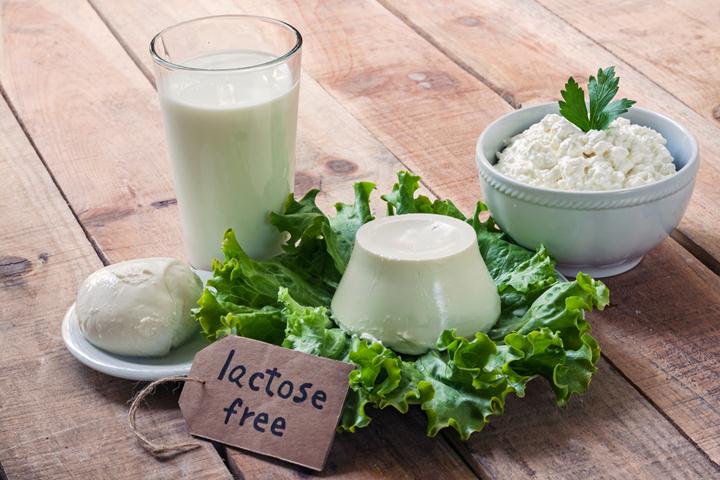 Probiotics are live cultures of bacteria that work to maintain the balance of good and bad bacteria in your gut. Probiotics are found in certain foods, but can also be taken as over-the-counter concentrated supplements. There are several different strains and types of probiotics, with different health benefits as well. Here are some of the most common. Lactobacillus This is the most common type of probiotic strain, with over 50 different species. Lactobacilli are naturally found in the digestive, urinary, and genital systems in...
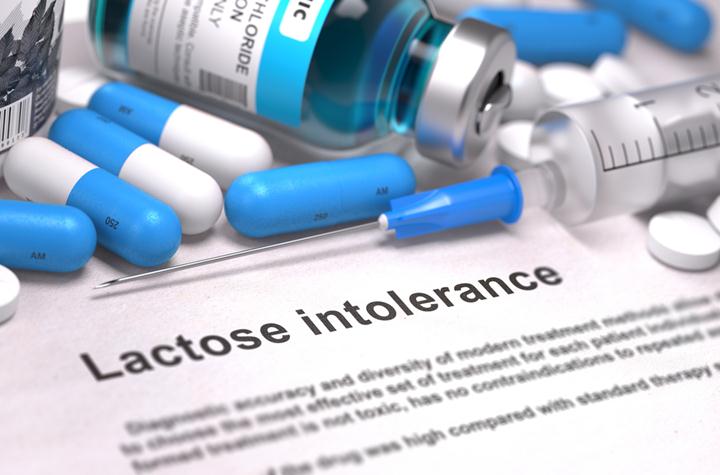 If you’re lactose intolerant, you know that it can be difficult to find foods that don’t contain lactose but still taste great and are nutritional. Fortunately, there are plenty of alternatives for most dairy products out there. Here are five to try if you’re looking to diversify your diet. Milk Alternatives The National Academy of Sciences recommends that you should be getting at least 1,000 mg of calcium every day, but this can be difficult to accomplish if you are lactose intolerant. Unfortunately, other milk...
 Unless you’re a part of the super elite lactose intolerant club (or vegan), then you have no idea just how much of a pain in the ass it can be to avoid dairy. Even the tiniest amount can send our bodies into a miserable tailspin for the rest of the day. Just in case you don’t believe that being lactose intolerant is a truly miserable experience, here’s a little peek at what I go through every day. People think you’re being dramatic. I wish I...
 Lactose is the primary sugar in cow’s milk and other dairy products. If your body lacks the enzyme lactase, this means that you’re unable to digest lactose, which can cause gastrointestinal problems. Even though true lactose intolerance usually doesn’t present itself until the grade-school or teen years, sometimes babies (especially if born prematurely) are unable to produce adequate amounts of lactase for awhile. However, their lactase levels typically return to normal as they grow older. In rare cases, a baby is born with true lactose intolerance. When...
 When your small intestine is unable to produce enough of the enzyme lactase, then your body becomes unable to digest lactose, the sugar found in milk and other dairy products. This condition is known as lactose intolerance. Since lactose cannot be broken down, it moves into the colon instead of being absorbed into the bloodstream like it should be. This is what causes the uncomfortable symptoms associated with the condition. Risk factors for Lactose Intolerance There are some factors that can increase you or your child’s risk...
 Lactose intolerance is the unfortunate inability of the body to properly digest dairy products. “Lactose” is the sugar in these items and the part of dairy the body responds so poorly to. The small intestine doesn’t have enough lactase, an enzyme that breaks down lactose, and so the lactose upsets the gastrointestinal tract. Half to three quarters of the world’s population is lactose intolerant, a number increased by the fact that the condition is hereditary. Lactose Intolerance Causes The most common form of lactose intolerance...