-
Irritable-Bowel Syndrome (IBS) is a common condition that mainly affects the intestine causing recurrent left-side abdominal pain, bloating, diarrhea, and/ or constipation. It is often associated with stress, depression, anxiety, or previous intestinal infection. According to doctors, it is common in one in every five Americans. Who should look out for IBS While IBS can happen to anyone, there are certain persons that must try to be on the lookout. Persons under the age of 45, females, those with family members who have had...
-
Diabetes is a condition that has become the focus of many health experts. Be that as it may, the fact that this condition is caused as a result of sedentary lifestyles makes it easier for it to be managed. One such way is following a diabetes diet. The essence of this diet is foods that control the level of blood sugar. One advantage with the diabetes diet is that as opposed to other meal plans that follow strict meal patterns, the diabetes diet is fairly easy...
-
According to the CDC, an astounding 29 million people across the United States suffer from diabetes, and another 86 million suffer from pre-diabetes. In Canada, over 3.4 million are affected by the disease. To make things worse, hundreds of millions in healthcare costs accrue each year as a result of the disease ($245 million in the United States in 2012). When you develop diabetes, it means that you have too much glucose or sugar in your blood. This leads to nerve damage and poor...
-
For many aging people, pain, cramping or tiredness in legs while walking or climbing stairs may not sound as symptoms of a serious medical condition. In fact, the majority of people believe that they are normal signs of aging. Nevertheless, they can be symptoms of a form of nerve or blood vessel damage known as diabetic neuropathy and peripheral arterial disease respectively. This article will give you an in-depth analysis of diabetes and leg pain. Diabetes and Leg Pain If diabetes causes damage to...
-
New research has now shown that lack of sleep is linked to type 2 diabetes. The research also indicates that people who have diabetes have problems when sleeping. Such issues include not falling asleep easily or problems shutting their eyes at night. Perhaps you have been experiencing this and you are quite familiar with this article. There are many centers of research that have come with various reason as to why people are not sleeping enough and the causes of type 2 diabetes. Here are...
-
Did you know that over 18 million adults and children in the United States have been diagnosed with diabetes? Common signs and symptoms of diabetes include: Always needing to urinate Always being thirsty Unexplained weight gain or weight loss Fatigue Prone to infections Slow healing of minor injuries (cuts, bruises) Tingling or numbness in extremities Learning how to manage diabetes is very important since the disease has no cure up to now. Diabetes complications are dynamic ranging from heart disease to vision loss and...
-
Plaque psoriasis is an inherited or genetic inflammatory disease. Approximately 2% of America’s population suffers from Psoriasis. Of the 2%, 90% suffer from plaque psoriasis. Psoriasis is caused by an immune system malfunction and results in red, swollen skin. Patients will see effects of the disease mainly on (but not limited to), the scalp, elbows, and knees. Patients will most likely see symptoms between the ages of 16 and 22 years. The main problem associated with this disease is that it can go undiagnosed...
-
Psoriasis is a chronic condition in which skin cells grow too quickly. The result is large patches of red, raised skin, skin scales, and flakes of dry skin. People with the condition may see symptoms that range from mild to severe. The severity depends on other factors in their environment, such as cold, dry climates, infections, stress, dry skin, and taking certain medicines. Your specific symptoms will also depend on which type of psoriasis is affecting you. Psoriasis treatments will vary depending on the type and...
-
Allergies are caused by a hypersensitive immune system that flags an otherwise harmless substance in the environment as if it were a disease-causing organism. When your immune system overreacts in this way, it sets off a chain of events with a goal of saving your life from a harmful disease. But allergens—the perceived threats—are not diseases, and your body’s defensive response to fight against them can be harmful, if not fatal. An estimated 60 million Americans suffer from allergies, according to the American Academy...




 Irritable-Bowel Syndrome (IBS) is a common condition that mainly affects the intestine causing recurrent left-side abdominal pain, bloating, diarrhea, and/ or constipation. It is often associated with stress, depression, anxiety, or previous intestinal infection. According to doctors, it is common in one in every five Americans. Who should look out for IBS While IBS can happen to anyone, there are certain persons that must try to be on the lookout. Persons under the age of 45, females, those with family members who have had...
 Diabetes is a condition that has become the focus of many health experts. Be that as it may, the fact that this condition is caused as a result of sedentary lifestyles makes it easier for it to be managed. One such way is following a diabetes diet. The essence of this diet is foods that control the level of blood sugar. One advantage with the diabetes diet is that as opposed to other meal plans that follow strict meal patterns, the diabetes diet is fairly easy...
 According to the CDC, an astounding 29 million people across the United States suffer from diabetes, and another 86 million suffer from pre-diabetes. In Canada, over 3.4 million are affected by the disease. To make things worse, hundreds of millions in healthcare costs accrue each year as a result of the disease ($245 million in the United States in 2012). When you develop diabetes, it means that you have too much glucose or sugar in your blood. This leads to nerve damage and poor...
 For many aging people, pain, cramping or tiredness in legs while walking or climbing stairs may not sound as symptoms of a serious medical condition. In fact, the majority of people believe that they are normal signs of aging. Nevertheless, they can be symptoms of a form of nerve or blood vessel damage known as diabetic neuropathy and peripheral arterial disease respectively. This article will give you an in-depth analysis of diabetes and leg pain. Diabetes and Leg Pain If diabetes causes damage to...
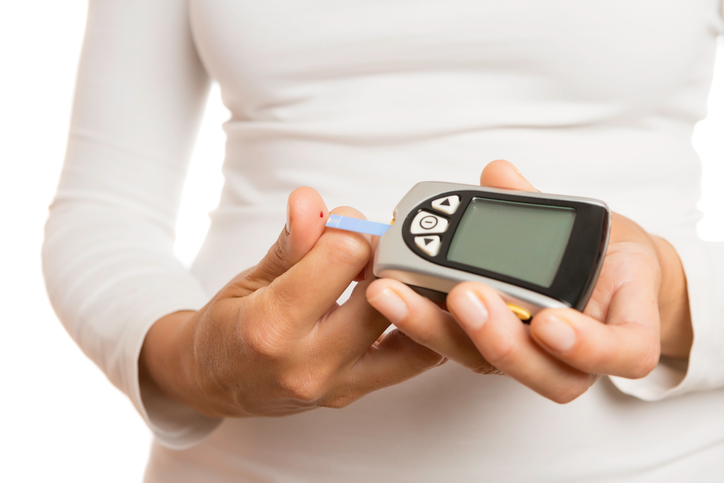 New research has now shown that lack of sleep is linked to type 2 diabetes. The research also indicates that people who have diabetes have problems when sleeping. Such issues include not falling asleep easily or problems shutting their eyes at night. Perhaps you have been experiencing this and you are quite familiar with this article. There are many centers of research that have come with various reason as to why people are not sleeping enough and the causes of type 2 diabetes. Here are...
 Did you know that over 18 million adults and children in the United States have been diagnosed with diabetes? Common signs and symptoms of diabetes include: Always needing to urinate Always being thirsty Unexplained weight gain or weight loss Fatigue Prone to infections Slow healing of minor injuries (cuts, bruises) Tingling or numbness in extremities Learning how to manage diabetes is very important since the disease has no cure up to now. Diabetes complications are dynamic ranging from heart disease to vision loss and...
 Plaque psoriasis is an inherited or genetic inflammatory disease. Approximately 2% of America’s population suffers from Psoriasis. Of the 2%, 90% suffer from plaque psoriasis. Psoriasis is caused by an immune system malfunction and results in red, swollen skin. Patients will see effects of the disease mainly on (but not limited to), the scalp, elbows, and knees. Patients will most likely see symptoms between the ages of 16 and 22 years. The main problem associated with this disease is that it can go undiagnosed...
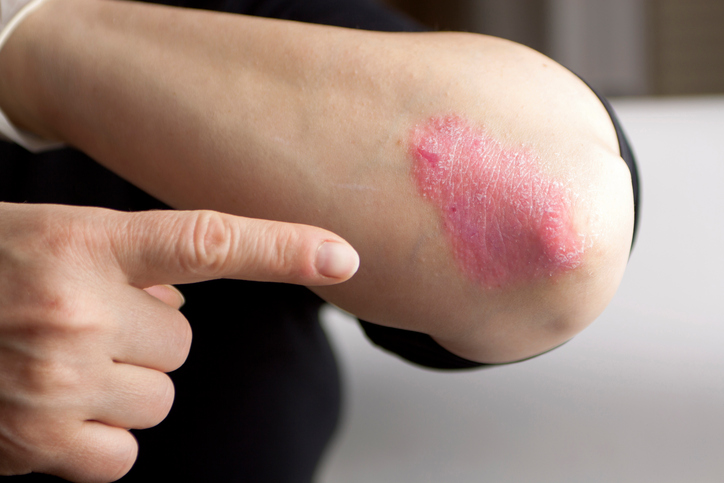 Psoriasis is a chronic condition in which skin cells grow too quickly. The result is large patches of red, raised skin, skin scales, and flakes of dry skin. People with the condition may see symptoms that range from mild to severe. The severity depends on other factors in their environment, such as cold, dry climates, infections, stress, dry skin, and taking certain medicines. Your specific symptoms will also depend on which type of psoriasis is affecting you. Psoriasis treatments will vary depending on the type and...
 Allergies are caused by a hypersensitive immune system that flags an otherwise harmless substance in the environment as if it were a disease-causing organism. When your immune system overreacts in this way, it sets off a chain of events with a goal of saving your life from a harmful disease. But allergens—the perceived threats—are not diseases, and your body’s defensive response to fight against them can be harmful, if not fatal. An estimated 60 million Americans suffer from allergies, according to the American Academy...