-
It is still unknown exactly what causes most cases of pancreatic cancers. However, some risk factors have been linked to an increased chance of being diagnosed with the disease. Recent research has shown that some of these risk factors, such as smoking or heavy drinking, can affect the DNA of cells in the pancreas, which can lead to abnormal cell growth and may cause tumors to form. Common Causes Age Gender Race Diet Obesity Substance abuse Environmental factors Risk Factors While there is no...
-
When it comes to treating pancreatic cancer, there are three main options for those suffering from this disease. Depending on the advancement of the cancer, these treatments can be used individually or in conjunction with one another. Treatment options include: Surgery Radiation Therapy Chemotherapy Surgery Surgery is generally used for one of two reasons. The first and initial focus of pancreatic surgery is to remove all the cancer in an effort to cure the patient of disease. This type of surgery is called the Whipple...
-
The pancreas is the organ that is responsible for delivering enzymes to the body that are essential for digesting food and metabolizing sugar. Cancer of the pancreas occurs when the tissues of the organ are overtaken by harmful tumors that inhibit the way the pancreas functions. Even when pancreatic cancer is detected early, the patient’s health is still in serious jeopardy. This is because the cancer spreads through the body very quickly, making it the fourth most common reason for cancer-related death in the...
-
The prominence and mortality rates of cancer victims have led to a desperate search for more effective means of dealing with this frightening variety of illnesses. Although any cancer can be fatal, many have been researched to the extent that they can be diagnosed quickly, leading to a more effective cure. Unfortunately, this isn’t true of cancer types the body over, and pancreatic cancer is one of those still requiring a better solution to achieve a cure. Here’s a look at the chances of surviving...
-
The pancreas is a six-inch-long organ located behind the lower part of your stomach. Its function is to secrete the hormones insulin and glucagon that help regulate sugar metabolism and enzymes that aid digestion. When the hormones are not working properly, diabetes is often the result. Pancreatic cancer occurs when out-of-control cell growth begins in the pancreas. These cells don’t develop into healthy pancreas tissue but instead collect together to form lumps called tumors. These tumors don’t allow the main function of the pancreas to...
-
Dealing with cancer is difficult, but when the verdict is pancreatic cancer, the survival rate is only 25 percent for the first five years after the diagnosis. Like all other cancers, staging occurs from the beginning. The oncologist will base the stages upon various factors, such as if the cancer has spread beyond the initial location and the size of the tumor. Like other cancers, the cause of pancreatic cancer can vary from things like genes to environmental factors, from a person’s lifestyle to a...
-
Numerous epilepsy medications can treat an epileptic seizure. In essence, treatment of epilepsy focuses on the brain. If a person suffers from this particular brain disorder, they have to be provided with the right drugs for preventing and treating seizures. In short, epilepsy drugs help to control the electrical activity that happens in the brain. Epileptic seizures are caused by a decline of activity and abnormal bursts. Firstly, epilepsy medications merely treat symptoms of epilepsy but are not capable of curing the actual condition. Most...
-
There are various types of epileptic seizures, and understanding the nuances of this condition requires that one knows the many kinds involved. After all, not all types of epilepsy are the same. Some types of epilepsy are far more severe than others, requiring innovative treatment methods to help remedy the situation. In reality, there are many different types of seizures. And there are also many classification systems in use for them. In fact, as many as 40 different types of epileptic seizures exist. The most...
-
The human brain operates by transmitting electrical signals via neurons (nerve cells). When there is a surge in these electrical signals, an individual will suffer an epileptic seizure. Seizures can impact the entire brain, but a partial seizure affects just a small portion of the brain. Epileptic seizures can occur as a result of various factors such as family history or sustaining a brain injury but their cause is often unknown. According to statistics, approximately 65 million people across the world have epilepsy with about...




 It is still unknown exactly what causes most cases of pancreatic cancers. However, some risk factors have been linked to an increased chance of being diagnosed with the disease. Recent research has shown that some of these risk factors, such as smoking or heavy drinking, can affect the DNA of cells in the pancreas, which can lead to abnormal cell growth and may cause tumors to form. Common Causes Age Gender Race Diet Obesity Substance abuse Environmental factors Risk Factors While there is no...
 When it comes to treating pancreatic cancer, there are three main options for those suffering from this disease. Depending on the advancement of the cancer, these treatments can be used individually or in conjunction with one another. Treatment options include: Surgery Radiation Therapy Chemotherapy Surgery Surgery is generally used for one of two reasons. The first and initial focus of pancreatic surgery is to remove all the cancer in an effort to cure the patient of disease. This type of surgery is called the Whipple...
 The pancreas is the organ that is responsible for delivering enzymes to the body that are essential for digesting food and metabolizing sugar. Cancer of the pancreas occurs when the tissues of the organ are overtaken by harmful tumors that inhibit the way the pancreas functions. Even when pancreatic cancer is detected early, the patient’s health is still in serious jeopardy. This is because the cancer spreads through the body very quickly, making it the fourth most common reason for cancer-related death in the...
 The prominence and mortality rates of cancer victims have led to a desperate search for more effective means of dealing with this frightening variety of illnesses. Although any cancer can be fatal, many have been researched to the extent that they can be diagnosed quickly, leading to a more effective cure. Unfortunately, this isn’t true of cancer types the body over, and pancreatic cancer is one of those still requiring a better solution to achieve a cure. Here’s a look at the chances of surviving...
 The pancreas is a six-inch-long organ located behind the lower part of your stomach. Its function is to secrete the hormones insulin and glucagon that help regulate sugar metabolism and enzymes that aid digestion. When the hormones are not working properly, diabetes is often the result. Pancreatic cancer occurs when out-of-control cell growth begins in the pancreas. These cells don’t develop into healthy pancreas tissue but instead collect together to form lumps called tumors. These tumors don’t allow the main function of the pancreas to...
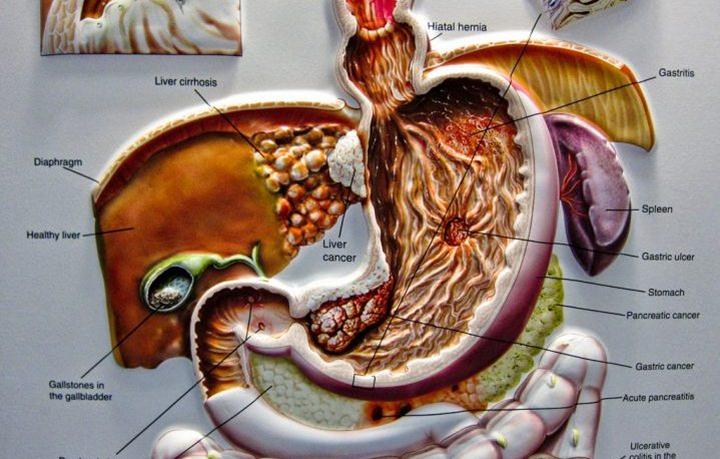 Dealing with cancer is difficult, but when the verdict is pancreatic cancer, the survival rate is only 25 percent for the first five years after the diagnosis. Like all other cancers, staging occurs from the beginning. The oncologist will base the stages upon various factors, such as if the cancer has spread beyond the initial location and the size of the tumor. Like other cancers, the cause of pancreatic cancer can vary from things like genes to environmental factors, from a person’s lifestyle to a...
 Numerous epilepsy medications can treat an epileptic seizure. In essence, treatment of epilepsy focuses on the brain. If a person suffers from this particular brain disorder, they have to be provided with the right drugs for preventing and treating seizures. In short, epilepsy drugs help to control the electrical activity that happens in the brain. Epileptic seizures are caused by a decline of activity and abnormal bursts. Firstly, epilepsy medications merely treat symptoms of epilepsy but are not capable of curing the actual condition. Most...
 There are various types of epileptic seizures, and understanding the nuances of this condition requires that one knows the many kinds involved. After all, not all types of epilepsy are the same. Some types of epilepsy are far more severe than others, requiring innovative treatment methods to help remedy the situation. In reality, there are many different types of seizures. And there are also many classification systems in use for them. In fact, as many as 40 different types of epileptic seizures exist. The most...
 The human brain operates by transmitting electrical signals via neurons (nerve cells). When there is a surge in these electrical signals, an individual will suffer an epileptic seizure. Seizures can impact the entire brain, but a partial seizure affects just a small portion of the brain. Epileptic seizures can occur as a result of various factors such as family history or sustaining a brain injury but their cause is often unknown. According to statistics, approximately 65 million people across the world have epilepsy with about...