-
What Is Abdominal Pain? Abdominal pain in most cases is pain that mostly occurs between the chest and pelvic regions. Mostly referred to as stomach ache. This pain can either be mild, dull, sharp, intermittent or in form of cramps. So, what are the most possible causes of stomach pain? Here’s a list of the most likely causes: Food Poisoning This mostly occurs when one eats food that is contaminated with either bacteria, parasites or viruses. The symptoms can range from mild cramping to...
-
It seems like everyone is talking about fat these days. The news says that fat in our foods is making us unhealthy. Doctors and health shows tell us that being overweight is detrimental to our health. The media post pictures of thin, athletic celebrities, putting them on a pedestal for being people of wealth and beauty. Nutritional supplements and special diets designed to make everyone slender are everywhere. Although being aware of our bodies and our health is wise, there is a point in...
-
Depression is something 1 out of every 10 Americans will experience at some point in their life. However, many ignore or misunderstand the signs of depression because of the myths and stigmas that surround the disorder. And the fact that some people often do not take it seriously and chalk it up to being incredibly sad, of course, doesn’t help our case. Depression is a diagnosable mood disorder with a variety of signs and symptoms. It is, therefore, a real illness and is in...
-
Neck pain can be a simple, uninhibited issue with few repercussions once the pain has been managed. Likewise, feeling dizzy can be a result of simply standing up too fast. Neither neck pain or dizziness have to be a big deal, but the two combined can be a sign of a more complex issue. Here is how to know if you should worry about neck pain and dizziness. Cervicogenic Dizziness Dizziness, or vertigo, is a sensation of spinning or lightheadedness; you may feel as...
-
Vertigo is when you suddenly feel dizzy, as if the world is spinning—or as if you are. Occasionally, issues like migraines, neck injuries, or other cerebral disorders may be to blame, but more often the issue is an ear problem. Here is a look at how to treat vertigo. Vestibular Rehabilitation The treatment for vertigo obviously depends upon the underlying issue. In some cases, vertigo is only an issue in the short term. The brain and body adjust to the “different” balance and the vertigo...
-
Menopause, the process of a woman’s body ceasing menstruation, is a natural event that every woman’s body goes through. It can happen naturally or can surgically be started for a woman through the removal of her ovaries and or uterus. When it happens naturally, it usually occurs in women between the ages of 45 and 55. The cause of menopause is when a woman‘s ovaries stop making eggs. Her body starts producing fewer hormones, which causes the body to begin the stages of menopause. A woman notices the onset of...
-
Hot flashes are sudden feelings of feverish heat that occur usually in the face, neck, and chest. Hot flashes are one of the most common symptoms for women who are going through menopause. Hot Flash Symptoms The frequency of hot flash symptoms can vary from a couple of times a week to a several times a day, but they will usually only last for a few minutes. Most women who experience hot flashes during menopause will have them for at least a year, but...
-
If you have diabetes and are going through menopause, you need to understand the symptoms of both as they can be not only challenging but have serious side effects on your overall quality of life. Menopause is when a woman ceases to menstruate. On average, the symptoms of menopause can start to show anywhere between the ages of 45 to 55. The average age for women to have their last menstrual cycle is 51-years-old. Diabetes and menopause combined together have various effects on your body, including: Weight...
-
Medical professionals have all come to realize one thing. That is, that there are approximately thirty-seven menopause indicators. These indicators could be anything from an easy-to-miss and mild indicator, right through to a very major disruption to your way of life. Most people who have a high chance of getting menopause, are likely to be around fifty, through to fifty-two years of age. However, many women will likely begin to experience such indicators many years before actually getting menopause. We will now have a look...


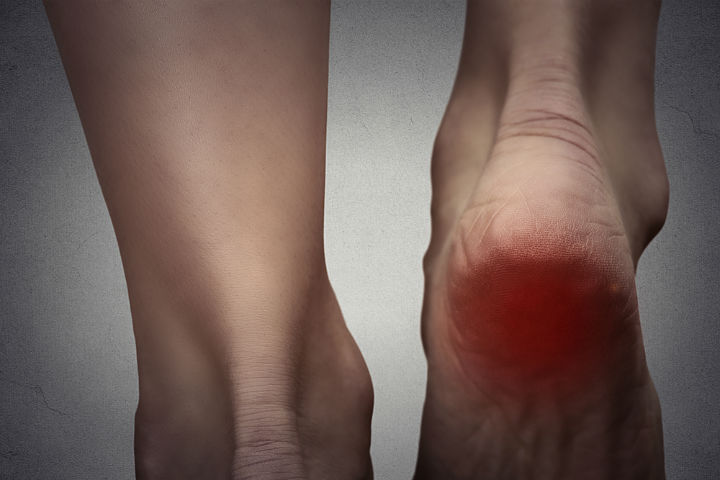
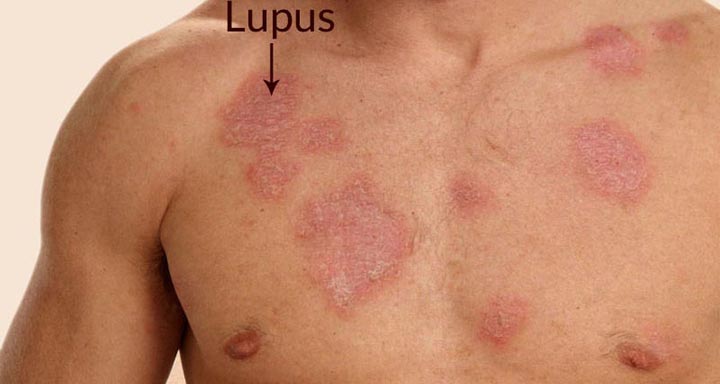
 What Is Abdominal Pain? Abdominal pain in most cases is pain that mostly occurs between the chest and pelvic regions. Mostly referred to as stomach ache. This pain can either be mild, dull, sharp, intermittent or in form of cramps. So, what are the most possible causes of stomach pain? Here’s a list of the most likely causes: Food Poisoning This mostly occurs when one eats food that is contaminated with either bacteria, parasites or viruses. The symptoms can range from mild cramping to...
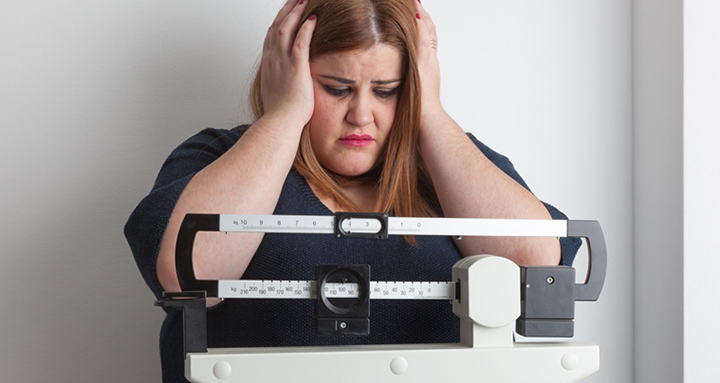 It seems like everyone is talking about fat these days. The news says that fat in our foods is making us unhealthy. Doctors and health shows tell us that being overweight is detrimental to our health. The media post pictures of thin, athletic celebrities, putting them on a pedestal for being people of wealth and beauty. Nutritional supplements and special diets designed to make everyone slender are everywhere. Although being aware of our bodies and our health is wise, there is a point in...
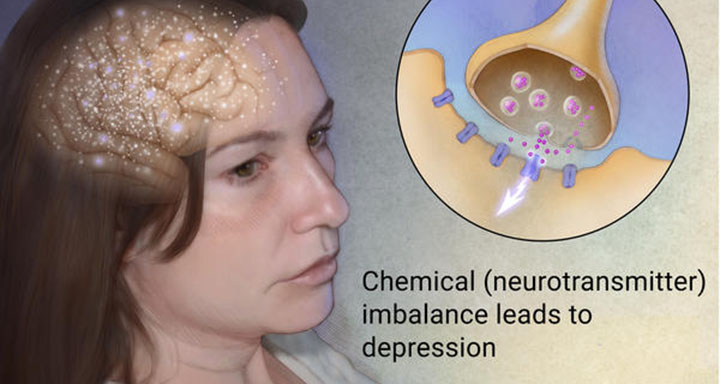 Depression is something 1 out of every 10 Americans will experience at some point in their life. However, many ignore or misunderstand the signs of depression because of the myths and stigmas that surround the disorder. And the fact that some people often do not take it seriously and chalk it up to being incredibly sad, of course, doesn’t help our case. Depression is a diagnosable mood disorder with a variety of signs and symptoms. It is, therefore, a real illness and is in...
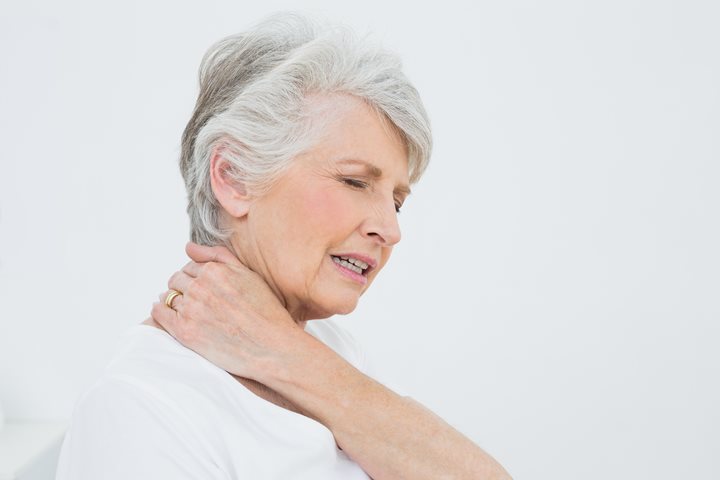 Neck pain can be a simple, uninhibited issue with few repercussions once the pain has been managed. Likewise, feeling dizzy can be a result of simply standing up too fast. Neither neck pain or dizziness have to be a big deal, but the two combined can be a sign of a more complex issue. Here is how to know if you should worry about neck pain and dizziness. Cervicogenic Dizziness Dizziness, or vertigo, is a sensation of spinning or lightheadedness; you may feel as...
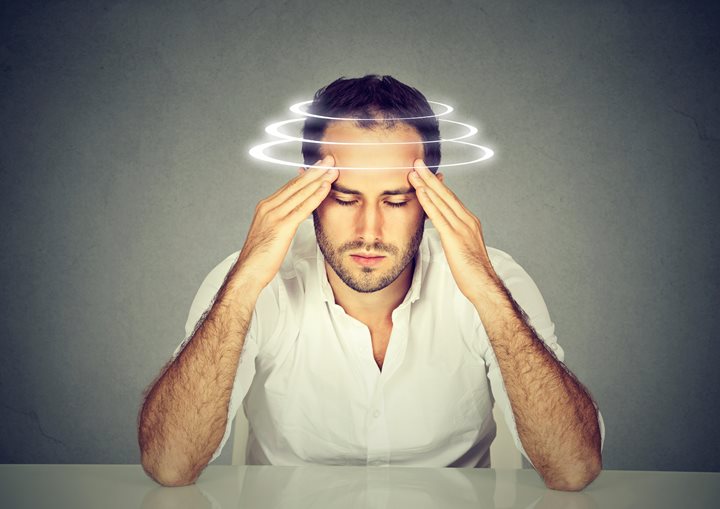 Vertigo is when you suddenly feel dizzy, as if the world is spinning—or as if you are. Occasionally, issues like migraines, neck injuries, or other cerebral disorders may be to blame, but more often the issue is an ear problem. Here is a look at how to treat vertigo. Vestibular Rehabilitation The treatment for vertigo obviously depends upon the underlying issue. In some cases, vertigo is only an issue in the short term. The brain and body adjust to the “different” balance and the vertigo...
 Menopause, the process of a woman’s body ceasing menstruation, is a natural event that every woman’s body goes through. It can happen naturally or can surgically be started for a woman through the removal of her ovaries and or uterus. When it happens naturally, it usually occurs in women between the ages of 45 and 55. The cause of menopause is when a woman‘s ovaries stop making eggs. Her body starts producing fewer hormones, which causes the body to begin the stages of menopause. A woman notices the onset of...
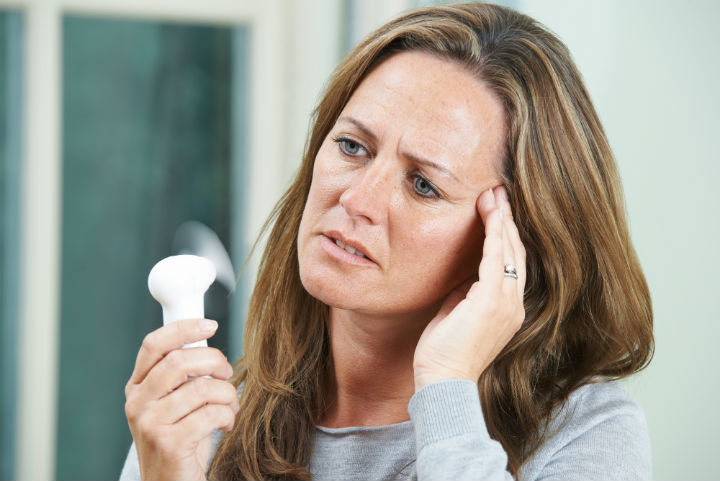 Hot flashes are sudden feelings of feverish heat that occur usually in the face, neck, and chest. Hot flashes are one of the most common symptoms for women who are going through menopause. Hot Flash Symptoms The frequency of hot flash symptoms can vary from a couple of times a week to a several times a day, but they will usually only last for a few minutes. Most women who experience hot flashes during menopause will have them for at least a year, but...
 If you have diabetes and are going through menopause, you need to understand the symptoms of both as they can be not only challenging but have serious side effects on your overall quality of life. Menopause is when a woman ceases to menstruate. On average, the symptoms of menopause can start to show anywhere between the ages of 45 to 55. The average age for women to have their last menstrual cycle is 51-years-old. Diabetes and menopause combined together have various effects on your body, including: Weight...
 Medical professionals have all come to realize one thing. That is, that there are approximately thirty-seven menopause indicators. These indicators could be anything from an easy-to-miss and mild indicator, right through to a very major disruption to your way of life. Most people who have a high chance of getting menopause, are likely to be around fifty, through to fifty-two years of age. However, many women will likely begin to experience such indicators many years before actually getting menopause. We will now have a look...