-
Herpes Information Genital herpes is an infection of the genitals, buttocks, or anal area caused by herpes simplex virus (HSV). It is a common STD which both men and women have herpes causes. About one in five adults and teens in the United States has had a genital herpes infection and most don’t know they have the STD. Genital herpes is a life long viral infection. In the United States alone there is at least fifty million people who have HSV. Herpes is an...
-
Genital Herpes Symptoms Overview Herpes is viral STD (sexually transmitted disease) that is caused by both Type 1 and Type 2 of the simplex virus. It is categorized into multiple classes based on location of infection. The two most common classes of the disease are oral and genital. The virus in transmitted from person to person via direct contact with an infected lesion of the body or the exchange of body fluid from an infected person. Transmission is also possible through direct skin-to-skin confrontations...
-
There is no cure for the sexually transmitted disease named Genital Herpes, it’s contagious, can remain dormant with no signs of the infection or Genital Herpes Symptoms can cause pain, itching and sores. There are medications used to ease the Genital Herpes Symptoms and preventives to eliminate the serious risk of STD and the infection of others. As adults most of us know the basics about Genital Herpes Symptoms, and the consequences of a sexually transmitted disease caused by the herpes simplex virus or...
-
Prevent Pregnancy Stress Pregnancy stress can have an adverse effect on not only on the baby, but also on the mother. Too much stress during pregnancy can cause both the baby and mother to have physical problems. There are many factors that cause too much stress during pregnancy. Some are lack of a proper diet, not enough exercise, heavy workload or lack of sleep. When the mother suffers from one or more of these factors, her body goes through a certain amount of stress....
-
Many people are under the assumption that HPV and herpes are the same thing. While they do share some striking similarities in terms of transmission and certain symptoms, they are actually distinct conditions. It’s important to understand the differences between the two, because dealing with them requires radically different approaches. Here’s a quick look at some of the major difference between HPV and herpes, as well as some information about what these diseases share in common. The Differences While both HPV and herpes create...
-
Genital herpes is a viral sexually transmitted disease oftentimes referred to as anSTD, caused by one of two different herpes simplex viruses–either herpes simplex 1 or herpes simplex 2. It is more common for an individual to contact genital herpes via the herpes simplex 2 virus. The Centers for Disease Control and Prevention state that as of 2010, one in six individuals ages 14 to 49 years old suffer from genital herpes. Statistically it is proven that women are more likely to contract the...
-
Herpes is a virus that spreads through skin to skin contact. This std is typified by an outbreak of blisters in a variety of areas on the body. This virus can manifest itself in a variety of forms. The one that may individuals are aware of is the simple cold sore, and the sexually transmitted disease. Other forms of this virus include chickenpox, shingles and encephalitis. There is also the virus called Herpetic whitlow that is commonly affects the fingers. These viruses can be...
-
Sinusitis is the inflammation and infection of the sinuses, which are the hollow cavities or spaces in your skull that surround your nose and eyes. Normally, the sinuses function like pockets of air that assist your nose in warming, moistening, and filtering the air you breathe. Because your sinuses are lined with soft mucous, they can trap and drain foreign particles, which might otherwise make you sick. But when your sinuses become obstructed and have no way to drain, those foreign agents such as...
-
Acute sinusitis is the most common form of sinusitis, which is otherwise known as a sinus infection. Acute means your sinusitis developed suddenly and will resolve fairly quickly. Although four to twelve weeks may seem like an endless misery, it isn’t horrible compared to the months or years that chronic forms may persist. Most commonly, acute sinusitis presents on the tail end of the common cold. Mild cases may be treated with over-the-counter medications; however, if symptoms persist, your physician may want to treat your sinusitis...

 Herpes Information Genital herpes is an infection of the genitals, buttocks, or anal area caused by herpes simplex virus (HSV). It is a common STD which both men and women have herpes causes. About one in five adults and teens in the United States has had a genital herpes infection and most don’t know they have the STD. Genital herpes is a life long viral infection. In the United States alone there is at least fifty million people who have HSV. Herpes is an...
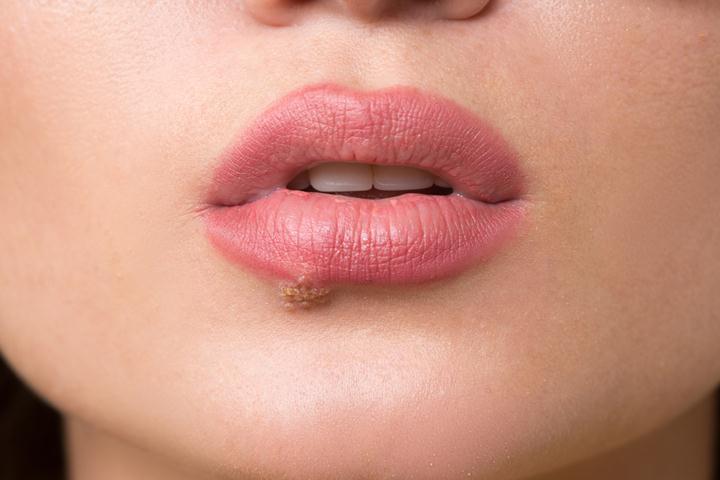 Genital Herpes Symptoms Overview Herpes is viral STD (sexually transmitted disease) that is caused by both Type 1 and Type 2 of the simplex virus. It is categorized into multiple classes based on location of infection. The two most common classes of the disease are oral and genital. The virus in transmitted from person to person via direct contact with an infected lesion of the body or the exchange of body fluid from an infected person. Transmission is also possible through direct skin-to-skin confrontations...
 There is no cure for the sexually transmitted disease named Genital Herpes, it’s contagious, can remain dormant with no signs of the infection or Genital Herpes Symptoms can cause pain, itching and sores. There are medications used to ease the Genital Herpes Symptoms and preventives to eliminate the serious risk of STD and the infection of others. As adults most of us know the basics about Genital Herpes Symptoms, and the consequences of a sexually transmitted disease caused by the herpes simplex virus or...
 Prevent Pregnancy Stress Pregnancy stress can have an adverse effect on not only on the baby, but also on the mother. Too much stress during pregnancy can cause both the baby and mother to have physical problems. There are many factors that cause too much stress during pregnancy. Some are lack of a proper diet, not enough exercise, heavy workload or lack of sleep. When the mother suffers from one or more of these factors, her body goes through a certain amount of stress....
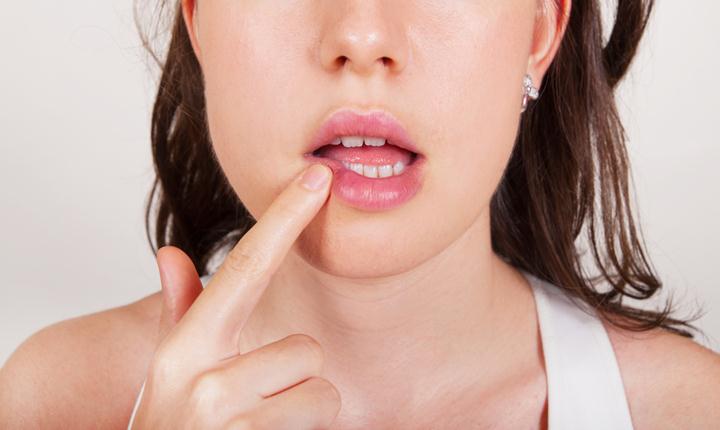 Many people are under the assumption that HPV and herpes are the same thing. While they do share some striking similarities in terms of transmission and certain symptoms, they are actually distinct conditions. It’s important to understand the differences between the two, because dealing with them requires radically different approaches. Here’s a quick look at some of the major difference between HPV and herpes, as well as some information about what these diseases share in common. The Differences While both HPV and herpes create...
 Genital herpes is a viral sexually transmitted disease oftentimes referred to as anSTD, caused by one of two different herpes simplex viruses–either herpes simplex 1 or herpes simplex 2. It is more common for an individual to contact genital herpes via the herpes simplex 2 virus. The Centers for Disease Control and Prevention state that as of 2010, one in six individuals ages 14 to 49 years old suffer from genital herpes. Statistically it is proven that women are more likely to contract the...
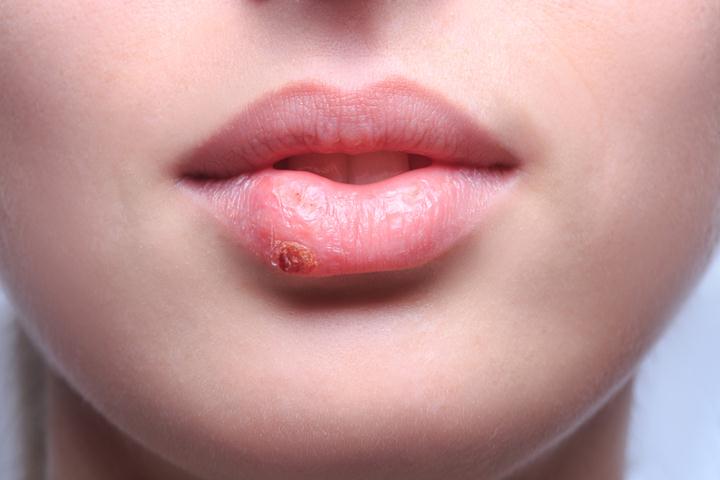 Herpes is a virus that spreads through skin to skin contact. This std is typified by an outbreak of blisters in a variety of areas on the body. This virus can manifest itself in a variety of forms. The one that may individuals are aware of is the simple cold sore, and the sexually transmitted disease. Other forms of this virus include chickenpox, shingles and encephalitis. There is also the virus called Herpetic whitlow that is commonly affects the fingers. These viruses can be...
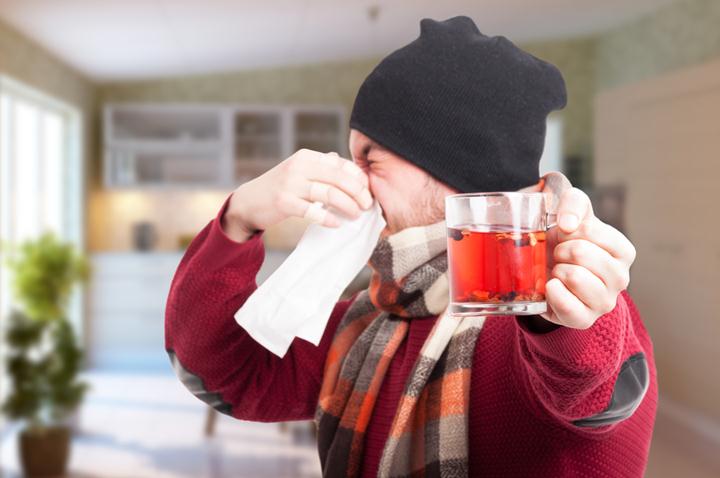 Sinusitis is the inflammation and infection of the sinuses, which are the hollow cavities or spaces in your skull that surround your nose and eyes. Normally, the sinuses function like pockets of air that assist your nose in warming, moistening, and filtering the air you breathe. Because your sinuses are lined with soft mucous, they can trap and drain foreign particles, which might otherwise make you sick. But when your sinuses become obstructed and have no way to drain, those foreign agents such as...
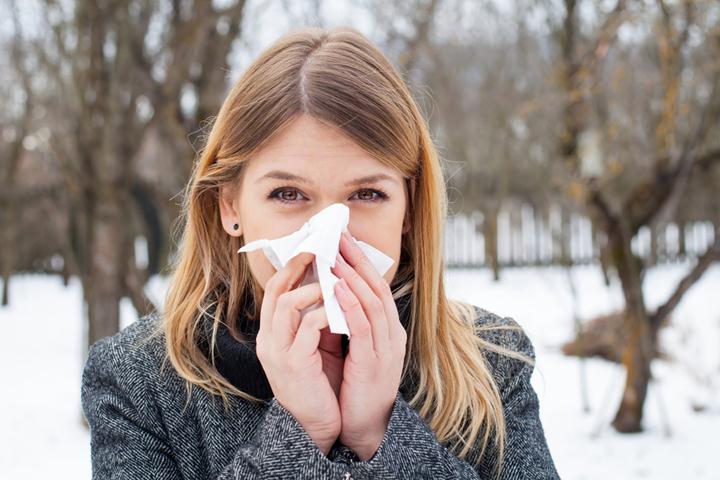 Acute sinusitis is the most common form of sinusitis, which is otherwise known as a sinus infection. Acute means your sinusitis developed suddenly and will resolve fairly quickly. Although four to twelve weeks may seem like an endless misery, it isn’t horrible compared to the months or years that chronic forms may persist. Most commonly, acute sinusitis presents on the tail end of the common cold. Mild cases may be treated with over-the-counter medications; however, if symptoms persist, your physician may want to treat your sinusitis...