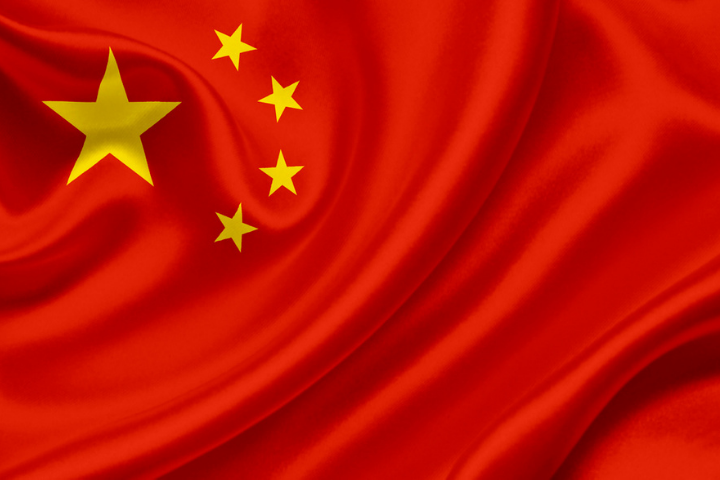
China with its bustling population of more than three times that of the United States presents a huge opportunity for small businesses. The Alibaba group recently declared that it had more than 93 million active users on Taobao and Tmall. Considering the fact that the market there is just developing, Chinese consumers are very open to forging new relationships with worldwide brands. It is basically an opportunity of a lifetime for small businesses looking to get into the Chinese consumer’s brand affinity cycle and forge strong relationships.
The big question now remains; what kind of small businesses are well suited for the Chinese market? If you are a small business and looking to succeed the way Stadium Goods has, then one has to be willing to make an investment. Tmall Global has a basic task of having one who is a seller open your own fully controlled storefront where you get to sell directly to different customers. There are a number of differences between Tmall and other platforms and marketplaces.
The first difference is that as a small business owner looking to be successful, one has to make at least a five figure commitment. Unlike other platforms in the US that you may be familiar with like Amazon, EBay and Etsy, Tmall’s cross-border channels like Tmall Global, operates through bonded warehouses which are located within China’s free trade zones which eliminate import tax charges. The business sends inventory which is stored there ahead of time and the products get to reach the Chinese market more efficiently and economically. This method of doing things evens out the playing field price-wise but this does not mean that the small business owners should not be thoughtful about what they are marketing because they are not just mailing out products one by one.
Ideally, small businesses with sales and investment capabilities are a better fit than other startups and cash-strapped businesses.
So, what industries or products are big in China? According to a team in the Alibaba Group, that reviews the company’s substantial consumer data on a regular basis, there are very few in-demand industries overseas. These industries are in agricultural products, foods, and beverages, baby and maternity goods as well as health and wellness products. These are in a nutshell products that you put on or in your body. These are industries that the Chinese have come under fire for due to the quality of ingredients and materials used. Of late there has also been an increased interest in sports athleisure and lifestyle goods. Noticeably, these are areas that are not as developed in terms of brand in China compared to the US and the rest of the world. This is hence another great business opportunity for brands, like Stadium Goods did, to tap into.
Marketing the product or brand is another major question considering that most small business owners do not speak the local language nor understand the customs or buying habits of the Chinese. This is where the Alibaba Group differentiates itself and comes to the rescue of small businesses. Their business model is hugely marketing based. They have huge amounts of data on their customers to help small businesses decide on which the best products to sell are and how to isolate demographics on the best target consumers on their platform.
In China, there is a lot of reliance on influencers and social media celebrities that do brand live streaming on social media pages.
There are other hurdles that small business owners face beyond its e-commerce market places. Alibaba is considerate enough to provide them with infrastructure necessary to facilitate doing business conveniently and with ease. Alipay, a company owned by Alibaba’s sister company Ant Financial allows small business owners to transact businesses and get payment from consumers. A different logistics company Cainiao oversees a network of distribution companies that ease up domestic and cross boarder movement of goods that ensure the product gets to the Chinese consumer.
International trading landscapes are bound to change and this is a great opportunity for small businesses to figure out if selling to China is a good option for the company.
Featured Image: DepositPhotos/ Rawpixel