-
When it comes to what you can do to help loved ones with depression there are several things one can do to help them get through this time of their life. One of them is being open and talking about depression. Family members or closest friends are the ones who first know that their loved one is depressed. This is because they interact with the person daily and can notice any slight changes in behavior or how they feel. The symptoms to watch out for...
-
Each life has its ups and downs. In any case, when the “ups” are too high and the “downs” are too low, and the swing between the two is excessively unexpected, bipolar disorder may be the diagnosis. Bipolar disorder, otherwise called hyper-depression, is a temperament disorder that causes behaviors, thoughts and emotions to move between profound depression and amazing agitation. These shifts might be quick cycling, changing as quick as within a day or two, or they may last for quite a long time;...
-
Bipolar disorder is a lifelong mental illness that causes extreme highs and lows in both behavior and in state of mind. These sudden emotional shifts are referred to as either manic or depressive episodes, and they can be the source of great difficulties in the life of someone who suffers from bipolar disorder. If you are affected by this disorder, there are some things you can do to minimize the effect it has on your life. Be involved If you are well-educated about your...
-
Deep vein thrombosis, commonly abbreviated “DVT,” is a condition that occurs when a blood clot forms in one or more of the deep veins in your body, usually in your legs. DVT is a serious condition because if a blood clot in your vein breaks loose, it can travel through your bloodstream and block the blood flow to your lungs. Symptoms While DVT can sometimes occur without any noticeable symptoms, there are some signs that you can watch out for if you are at risk....
-
Shingles is a painful and persistent condition that causes rashes and blisters to develop across a person’s body. While it’s rarely fatal, shingles can be debilitating, and symptoms may last longer than a month. Thankfully, a vaccine known as Zostavax has been developed which can potentially prevent breakouts. Here is a look at some of the most important things you need to know about Zostavax. Why is the shingles vaccine important? Both shingles and chickenpox share the same origin—the varicella-zoster virus. When a person...
-
Irritable bowel disease , or irritable bowel syndrome (IBS), is a chronic gastrointestinal (GI) disorder that causes a combination of bloating, gas, diarrhea, constipation, and abdominal pain. Each patient’s case may be different, both symptomatically and in severity, and thus require different forms of treatment. In most cases, a careful diet and stress management can at least help control some of the problems. Every set of treatment must be decided on a case by case basis—and it deals only with the symptoms, not the disease...
-
According to the CDC, an astounding 29 million people across the United States suffer from diabetes, and another 86 million suffer from pre-diabetes. In Canada, over 3.4 million are affected by the disease. To make things worse, hundreds of millions in healthcare costs accrue each year as a result of the disease ($245 million in the United States in 2012). When you develop diabetes, it means that you have too much glucose or sugar in your blood. This leads to nerve damage and poor...
-
Colon cancer is the development of cancer in the colon, or large intestine. It generally begins as small, noncancerous lumps, known as adenomatous polyps, that are asymptomatic and can take some time to turn into full-blown cancerous cells. This is largely the reason yearly colon cancer screenings are recommended—the sooner this type of cancer is detected, the more fully it can be treated. Whether through annual screenings or because of suspicious symptoms, more than one manner of diagnosis is available. Here is a look at how colon...
-
Psoriasis is a chronic condition in which skin cells grow too quickly. The result is large patches of red, raised skin, skin scales, and flakes of dry skin. People with the condition may see symptoms that range from mild to severe. The severity depends on other factors in their environment, such as cold, dry climates, infections, stress, dry skin, and taking certain medicines. Your specific symptoms will also depend on which type of psoriasis is affecting you. Psoriasis treatments will vary depending on the type and...
 When it comes to what you can do to help loved ones with depression there are several things one can do to help them get through this time of their life. One of them is being open and talking about depression. Family members or closest friends are the ones who first know that their loved one is depressed. This is because they interact with the person daily and can notice any slight changes in behavior or how they feel. The symptoms to watch out for...
 Each life has its ups and downs. In any case, when the “ups” are too high and the “downs” are too low, and the swing between the two is excessively unexpected, bipolar disorder may be the diagnosis. Bipolar disorder, otherwise called hyper-depression, is a temperament disorder that causes behaviors, thoughts and emotions to move between profound depression and amazing agitation. These shifts might be quick cycling, changing as quick as within a day or two, or they may last for quite a long time;...
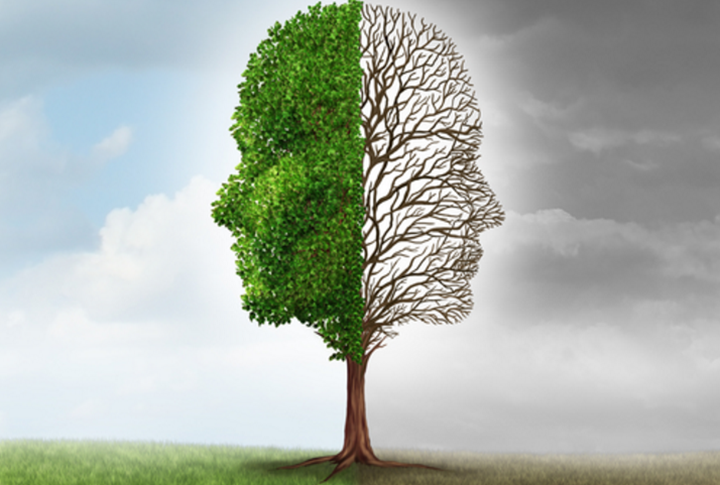 Bipolar disorder is a lifelong mental illness that causes extreme highs and lows in both behavior and in state of mind. These sudden emotional shifts are referred to as either manic or depressive episodes, and they can be the source of great difficulties in the life of someone who suffers from bipolar disorder. If you are affected by this disorder, there are some things you can do to minimize the effect it has on your life. Be involved If you are well-educated about your...
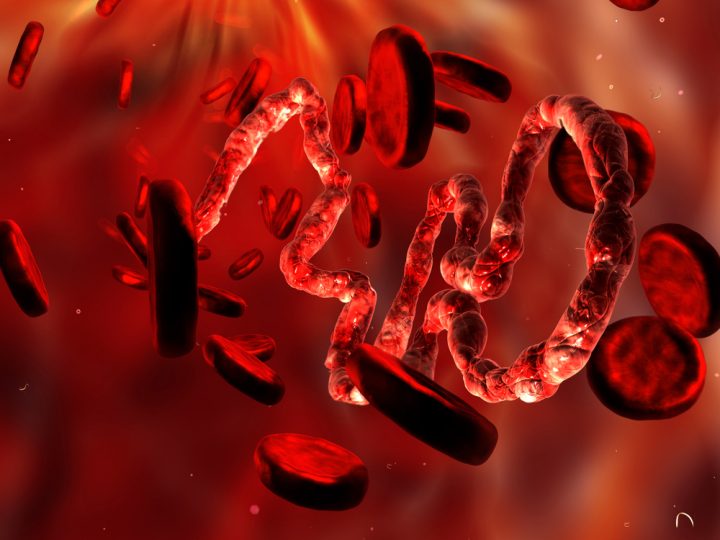 Deep vein thrombosis, commonly abbreviated “DVT,” is a condition that occurs when a blood clot forms in one or more of the deep veins in your body, usually in your legs. DVT is a serious condition because if a blood clot in your vein breaks loose, it can travel through your bloodstream and block the blood flow to your lungs. Symptoms While DVT can sometimes occur without any noticeable symptoms, there are some signs that you can watch out for if you are at risk....
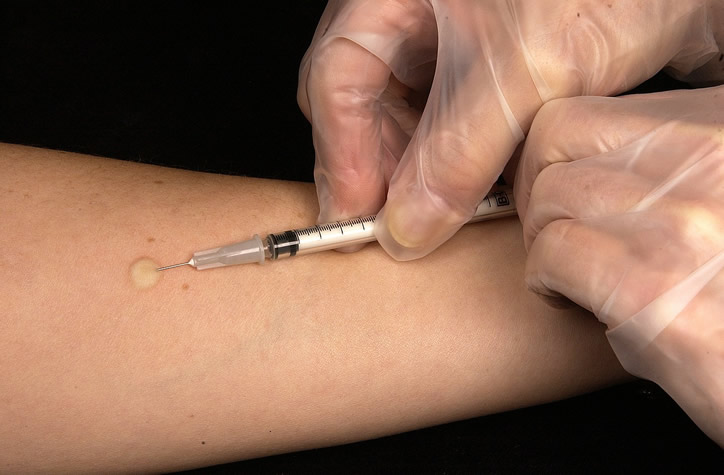 Shingles is a painful and persistent condition that causes rashes and blisters to develop across a person’s body. While it’s rarely fatal, shingles can be debilitating, and symptoms may last longer than a month. Thankfully, a vaccine known as Zostavax has been developed which can potentially prevent breakouts. Here is a look at some of the most important things you need to know about Zostavax. Why is the shingles vaccine important? Both shingles and chickenpox share the same origin—the varicella-zoster virus. When a person...
 Irritable bowel disease , or irritable bowel syndrome (IBS), is a chronic gastrointestinal (GI) disorder that causes a combination of bloating, gas, diarrhea, constipation, and abdominal pain. Each patient’s case may be different, both symptomatically and in severity, and thus require different forms of treatment. In most cases, a careful diet and stress management can at least help control some of the problems. Every set of treatment must be decided on a case by case basis—and it deals only with the symptoms, not the disease...
 According to the CDC, an astounding 29 million people across the United States suffer from diabetes, and another 86 million suffer from pre-diabetes. In Canada, over 3.4 million are affected by the disease. To make things worse, hundreds of millions in healthcare costs accrue each year as a result of the disease ($245 million in the United States in 2012). When you develop diabetes, it means that you have too much glucose or sugar in your blood. This leads to nerve damage and poor...
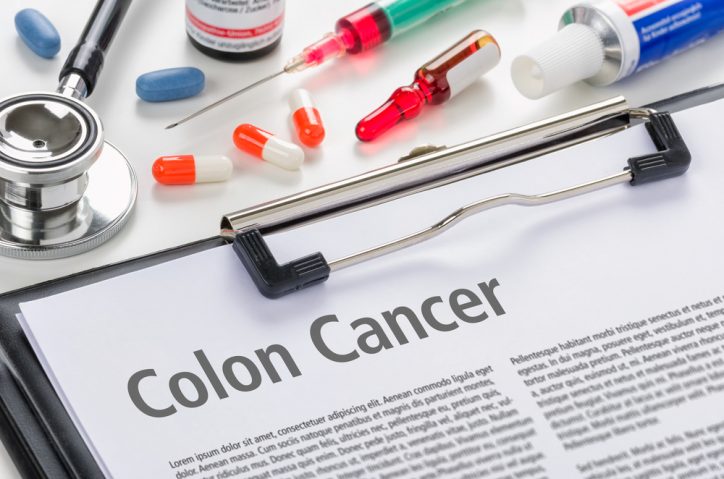 Colon cancer is the development of cancer in the colon, or large intestine. It generally begins as small, noncancerous lumps, known as adenomatous polyps, that are asymptomatic and can take some time to turn into full-blown cancerous cells. This is largely the reason yearly colon cancer screenings are recommended—the sooner this type of cancer is detected, the more fully it can be treated. Whether through annual screenings or because of suspicious symptoms, more than one manner of diagnosis is available. Here is a look at how colon...
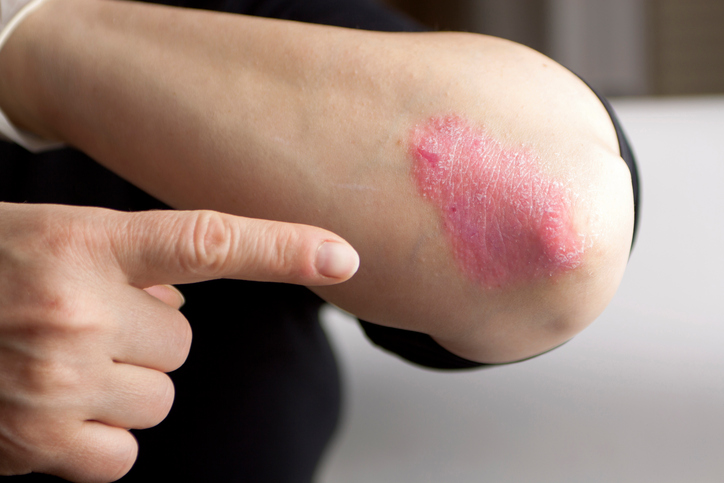 Psoriasis is a chronic condition in which skin cells grow too quickly. The result is large patches of red, raised skin, skin scales, and flakes of dry skin. People with the condition may see symptoms that range from mild to severe. The severity depends on other factors in their environment, such as cold, dry climates, infections, stress, dry skin, and taking certain medicines. Your specific symptoms will also depend on which type of psoriasis is affecting you. Psoriasis treatments will vary depending on the type and...