-
The human brain operates by transmitting electrical signals via neurons (nerve cells). When there is a surge in these electrical signals, an individual will suffer an epileptic seizure. Seizures can impact the entire brain, but a partial seizure affects just a small portion of the brain. Epileptic seizures can occur as a result of various factors such as family history or sustaining a brain injury but their cause is often unknown. According to statistics, approximately 65 million people across the world have epilepsy with about...
-
While the signs of rheumatoid arthritis can seem hidden and unnoticeable, they may be more visible than you might think. Although there are indeed rheumatoid arthritis signs that some people might not be able to pick up on, there are still plenty of other symptoms that you’ll be able to notice and clearly identify. What are those signs & symptoms? Take a look below to find out the 12 typical Rheumatoid Arthritis signs and symptoms. 1. Joint Pain Joint pain is the most obvious of all...
-
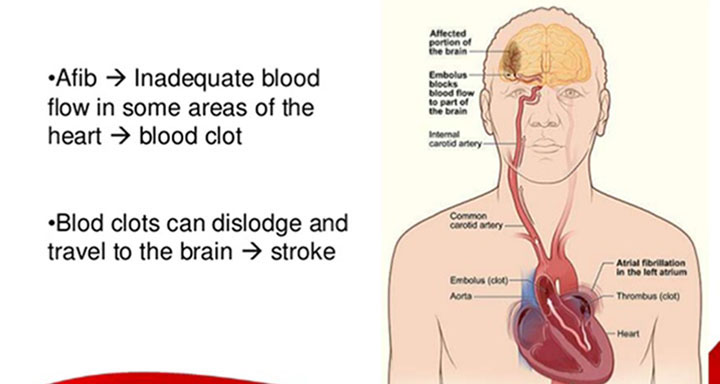
If you have atrial fibrillation, there is a good chance you will suffer a stroke. Atrial fibrillation is a type of abnormal heart rhythm in which the two upper chambers of the heart contract rapidly and irregularly without fully pumping blood into the lower chambers. Studies into AFIB and stroke revealed that hundreds of thousands of Americans are affected by AFIB and that the risk of stroke is 3 to 5 times more likely among them. AFIB and Stroke In a patient with AFIB,...
-
Bipolar disorder is not a new concept in the medical field seeing as many people have been diagnosed with the condition. Awareness, as well as acceptance, has substantially increased. However, very little is known about distinguishing the two existing types of bipolar disorder which entail bipolar I and bipolar II. The importance of knowing the difference between the two conditions is evident in the course of diagnosis and treatment. Bipolar I Bipolar I is associated with at least one episode of mania. Mania is...
-
Melanoma is a type of skin cancer considered by medical professions to be the worst type. It develops deep in the cells that form skin pigment and is typically caused by overexposure to harmful UV rays such as those found in tanning beds or produced naturally by the sun. Skin biopsies are common tests done to determine if it is skin cancer. Here we examine the signs of melanoma from the early symptoms to stage 4 melanoma. Treatment of melanoma begins immediately upon detection, but...
-
Deep vein thrombosis is a condition that occurs when a blood clot forms in one or more of the deep veins in your body, usually in the legs. This condition sometimes develops when you don’t move for a long period of time, such as after surgery or an accident when you are confined to bed for an extended amount of time. It can also occur if you have certain medical conditions that affect how your blood clots. This condition can be very dangerous, since the blot...
-
Irritable Bowel Syndrome (IBS) afflicts millions of people around the world. It is characterized by symptoms like recurrent abdominal pain, constipation, irregular bowel movements, abdominal distension, and bloating. All of these symptoms occur because the digestive tract or intestines fail to work properly. To diagnose this problem, doctors perform some tests like a colonoscopy where an apparatus is inserted through your colon with a camera attached to the other end. The doctor then is able to detect what is the cause of your IBS....
-
Irritable-Bowel Syndrome (IBS) is a common condition that mainly affects the intestine causing recurrent left-side abdominal pain, bloating, diarrhea, and/ or constipation. It is often associated with stress, depression, anxiety, or previous intestinal infection. According to doctors, it is common in one in every five Americans. Who should look out for IBS While IBS can happen to anyone, there are certain persons that must try to be on the lookout. Persons under the age of 45, females, those with family members who have had...
-
Did you know that over 18 million adults and children in the United States have been diagnosed with diabetes? Common signs and symptoms of diabetes include: Always needing to urinate Always being thirsty Unexplained weight gain or weight loss Fatigue Prone to infections Slow healing of minor injuries (cuts, bruises) Tingling or numbness in extremities Learning how to manage diabetes is very important since the disease has no cure up to now. Diabetes complications are dynamic ranging from heart disease to vision loss and...
 The human brain operates by transmitting electrical signals via neurons (nerve cells). When there is a surge in these electrical signals, an individual will suffer an epileptic seizure. Seizures can impact the entire brain, but a partial seizure affects just a small portion of the brain. Epileptic seizures can occur as a result of various factors such as family history or sustaining a brain injury but their cause is often unknown. According to statistics, approximately 65 million people across the world have epilepsy with about...
 While the signs of rheumatoid arthritis can seem hidden and unnoticeable, they may be more visible than you might think. Although there are indeed rheumatoid arthritis signs that some people might not be able to pick up on, there are still plenty of other symptoms that you’ll be able to notice and clearly identify. What are those signs & symptoms? Take a look below to find out the 12 typical Rheumatoid Arthritis signs and symptoms. 1. Joint Pain Joint pain is the most obvious of all...
 If you have atrial fibrillation, there is a good chance you will suffer a stroke. Atrial fibrillation is a type of abnormal heart rhythm in which the two upper chambers of the heart contract rapidly and irregularly without fully pumping blood into the lower chambers. Studies into AFIB and stroke revealed that hundreds of thousands of Americans are affected by AFIB and that the risk of stroke is 3 to 5 times more likely among them. AFIB and Stroke In a patient with AFIB,...
 Bipolar disorder is not a new concept in the medical field seeing as many people have been diagnosed with the condition. Awareness, as well as acceptance, has substantially increased. However, very little is known about distinguishing the two existing types of bipolar disorder which entail bipolar I and bipolar II. The importance of knowing the difference between the two conditions is evident in the course of diagnosis and treatment. Bipolar I Bipolar I is associated with at least one episode of mania. Mania is...
 Melanoma is a type of skin cancer considered by medical professions to be the worst type. It develops deep in the cells that form skin pigment and is typically caused by overexposure to harmful UV rays such as those found in tanning beds or produced naturally by the sun. Skin biopsies are common tests done to determine if it is skin cancer. Here we examine the signs of melanoma from the early symptoms to stage 4 melanoma. Treatment of melanoma begins immediately upon detection, but...
 Deep vein thrombosis is a condition that occurs when a blood clot forms in one or more of the deep veins in your body, usually in the legs. This condition sometimes develops when you don’t move for a long period of time, such as after surgery or an accident when you are confined to bed for an extended amount of time. It can also occur if you have certain medical conditions that affect how your blood clots. This condition can be very dangerous, since the blot...
 Irritable Bowel Syndrome (IBS) afflicts millions of people around the world. It is characterized by symptoms like recurrent abdominal pain, constipation, irregular bowel movements, abdominal distension, and bloating. All of these symptoms occur because the digestive tract or intestines fail to work properly. To diagnose this problem, doctors perform some tests like a colonoscopy where an apparatus is inserted through your colon with a camera attached to the other end. The doctor then is able to detect what is the cause of your IBS....
 Irritable-Bowel Syndrome (IBS) is a common condition that mainly affects the intestine causing recurrent left-side abdominal pain, bloating, diarrhea, and/ or constipation. It is often associated with stress, depression, anxiety, or previous intestinal infection. According to doctors, it is common in one in every five Americans. Who should look out for IBS While IBS can happen to anyone, there are certain persons that must try to be on the lookout. Persons under the age of 45, females, those with family members who have had...
 Did you know that over 18 million adults and children in the United States have been diagnosed with diabetes? Common signs and symptoms of diabetes include: Always needing to urinate Always being thirsty Unexplained weight gain or weight loss Fatigue Prone to infections Slow healing of minor injuries (cuts, bruises) Tingling or numbness in extremities Learning how to manage diabetes is very important since the disease has no cure up to now. Diabetes complications are dynamic ranging from heart disease to vision loss and...